
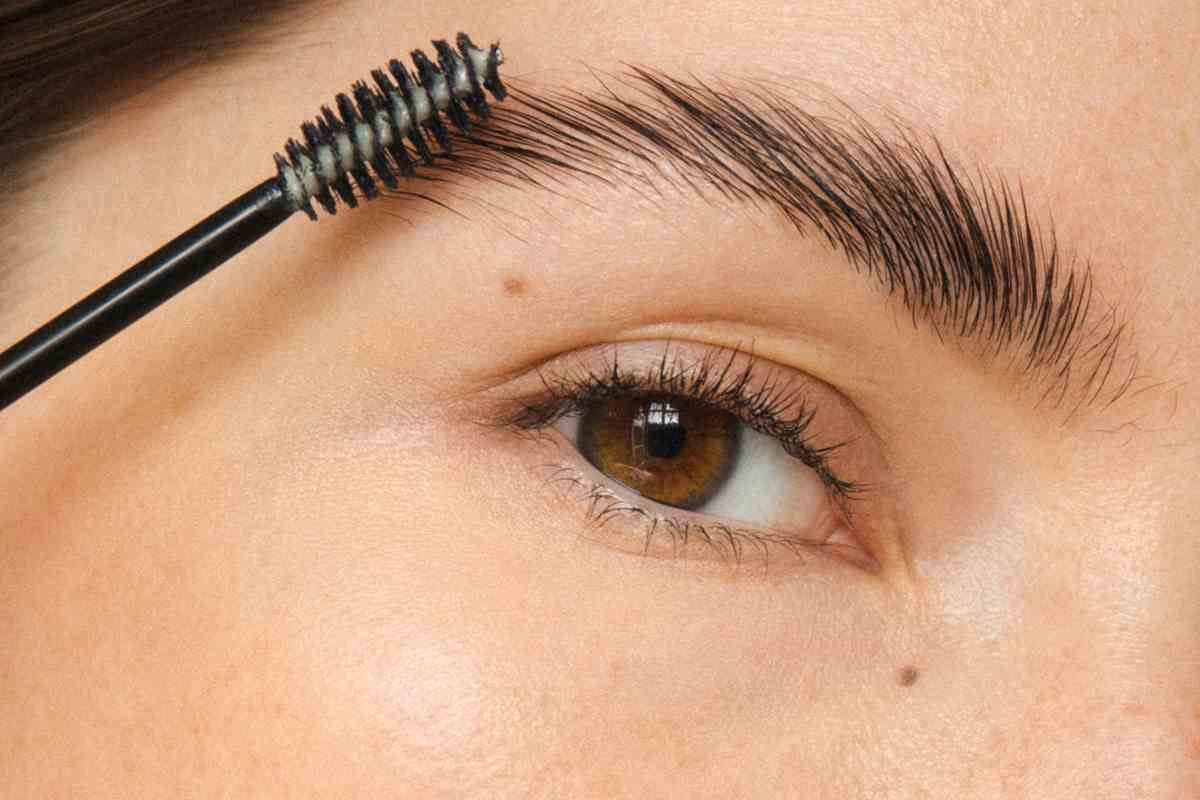
Brows are not just a cosmetic decision, they are used to shield the eyes against sweat and dirt, regulate your face expression, and can have great influence in making the face appear in the light you want to have your face appear. Eyebrow hair is grown through follicles in an ordinary development (anagen), transition (catagen) and rest (telogen) cycle. Failure to do so by disrupting that cycle or hurting follicles may thin brows.
Table of Contents
Eyebrow thinning vs eyebrow loss
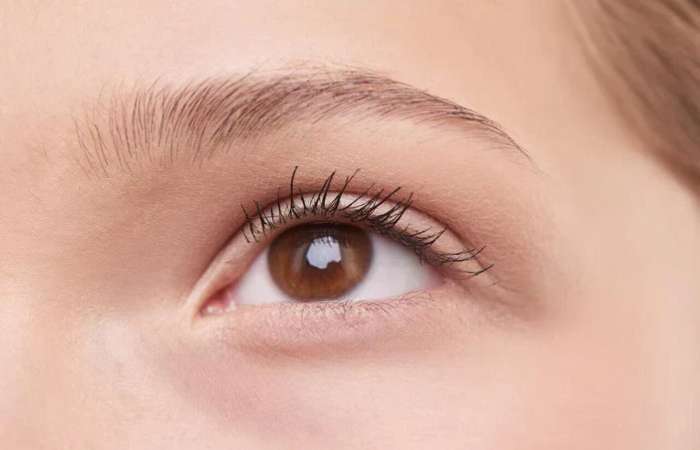
Eyebrow thinning = gradual reduction in hair density; hairs may be finer.
>Eyebrow loss (madarosis) = partial or complete loss of eyebrow hair. Causes range from temporary (stress, nutritional gaps, over-plucking) to medical (skin conditions, hormonal changes, autoimmune disease).
Common causes of eyebrow thinning or loss
- An over-plucked arginine and re-waxed or tweezed (damage to the follicles after some time).
- Ageing: hair also becomes thin due to age.
- Blackgift, vitamin D, zinc, and biotin may have an impact on hair growth.
- Hormonal fluctuation: thyroid diseases (hypothyroidism) tend to result in thinning of the eyebrows.
- Skin disorders- eczema, psoriasis, seborrheic dermatitis, or contact dermatitis.
- Autoimmune disorders: It can alopecia areata that can occur in brows.
- Medical therapy: chemotherapy is likely to result in shedding.
- Drugs: certain drugs are capable of making hair fall off.
- Over rubbing, adhesions of cosmetics or allergic responses.
If your eyebrow loss is sudden, patchy, or accompanied by other symptoms (skin rash, weight changes, hair loss elsewhere), see a dermatologist.
Comparison table — eyebrow regrowth methods
| Method | How it works | Typical time to see results | Pros | Cons / Safety notes |
| Diet + targeted supplements (iron, vitamin D, biotin when deficient) | Fixes nutritional causes of weak hair cycles | 6–12 weeks to show improvement | Natural, helps whole-body health | Only helps if deficiency present; excess supplements can harm |
| Castor oil / coconut oil (topical emollients) | May condition hair & improve scalp/skin environment | 6–12 weeks (if helpful) | Cheap, easy to try, low risk | Limited scientific evidence for stimulating growth |
| Peptide/biotin serums (commercial brow serums) | Provide nutrients or signaling peptides to follicle | 8–12 weeks | Formulated for brows, easy to use | Varies by formula; choose reputable brands |
| Minoxidil (topical, off-label for brows) | Vasodilation and prolongs anagen (hair growth phase) | 8–16 weeks | Often effective when used correctly | Off-label — can irritate eyes/skin; consult dermatologist |
| Latisse® (bimatoprost) — prescription | Prolongs anagen and increases hair pigment | 8–16 weeks | Clinically proven for lashes; sometimes used off-label for brows | Prescription required; possible skin darkening, eye effects |
| Microblading / eyebrow tattooing (cosmetic) | Semi-permanent pigment into skin for fuller look | Immediate effect | Instant cosmetic result | Doesn’t restore hair; upkeep and risks (infection, poor match) |
| PRP (platelet-rich plasma) injections | Uses your platelets to stimulate follicles | 3–6 months | Good option for non-scarring hair loss | Costly, requires clinic visits |
| Steroid injections (for alopecia areata) | Reduces local autoimmune inflammation | Weeks to months | Can regrow hair in autoimmune cases | Only for specific diagnoses; side effects possible |
| Hair transplant (follicular unit grafting) | Surgically moves hair to brows | 3–12 months to mature | Permanent, natural hair result | Expensive; requires surgery and skilled practitioner |
Step-by-step routine to encourage eyebrow regrowth
Follow a consistent routine for 3–6 months to judge progress.
Daily AM
- Wcleanse with a weak fragrance-free cleaner.
- Use a specific serum or a topical treatment (please refer to the variants below). Distribute it with using a clean spoolie.
- Care of the skin: use sunscreen in case of exposure to sunlight (some treatments may sensitize brows).
Daily PM
- Take away makeup lightly with the use of micellar water or an oil remover.
- Nourishing oil/serum (castor oil, peptide serum, prescribed analgesic topical) should be used. Light massage of 12 1-2minutes to stimulate circulation.
Weekly
- Avoid waxing/tweezing — give follicles a rest.
- Gentle exfoliation once a week (if no irritation) can help remove dead skin and allow products to reach follicles.
Monthly
- Take photos (front and close) to track progress under the same lighting.
- Reassess: if no change after 3–4 months and you used topical treatments consistently, consult a dermatologist. American Academy of Dermatology (AAD)
Natural remedies: what helps and how to use them
Castor oil
- How: Apply a tiny amount with a clean spoolie nightly. Leave on.
- Why: Rich in ricinoleic acid, an emollient that conditions hair and skin. Anecdotal support; minimal risk if you avoid the eye.
- Safety: Avoid getting in the eye; discontinue if irritation develops.
Coconut oil
- How: Use as a gentle nighttime conditioner 2–3x/week.
- Why: Moisturizes and may reduce protein loss from hair.
- Safety: Low risk of irritation; if you have acne-prone skin, be careful.
Massage
- How: Light circular massage for 1–2 minutes daily along the brow line.
- Why: May increase blood flow to follicles; promotes product penetration.
Balanced diet
- Focus on: protein, iron, zinc, vitamin D, omega-3s, and B vitamins.
- Foods: eggs, fish, lentils, spinach, nuts, dairy or fortified plant milks.
- Note: Only supplement if tests show deficiency. Excessive biotin can skew lab tests (e.g., thyroid assays).
Evidence-based medical and cosmetic options
Topical minoxidil
- Why it’s used: minoxidil prolongs the anagen phase and can stimulate dormant follicles.
- How: Apply 2% solution (often preferred around eyes) or as directed by a dermatologist; use a tiny amount and avoid the eye. Some clinicians use 5% in controlled ways.
- Evidence: Widely used for scalp hair; emerging evidence suggests it can help brows, but is off-label.
- Safety: Possible local irritation, unwanted facial hair, or heart palpitations (rare systemic absorption). Consult a dermatologist before starting.
Bimatoprost
- Originally approved for eyelash hypotrichosis; works by increasing the duration of the growth phase and pigment. Some dermatologists prescribe or recommend for brows.
- Requires prescription and monitoring. Common side effects include skin darkening or eye irritation.
PRP (platelet-rich plasma)
- Procedure: Blood draw → centrifuge → inject platelet concentrate into the brow area.
- Use: Sometimes effective for non-scarring hair loss; multiple sessions typically needed.
- Pros/cons: Good option if follicles are still present but dormant. Cost and clinic visits are downsides.
Steroid injections
- Used for autoimmune patchy loss (alopecia areata) to reduce inflammation and allow regrowth. Must be done by a clinician.
Transplantation/micrografting
- Hair grafts from scalp to brow — best when brows are permanently sparse or scarred. Results take months to mature.
Cosmetic camouflage & interim styling
- Brow pencils/powders: Choose a shade close to your natural hair and lightly fill gaps with hair-like strokes.
- Brow gels: Tinted gels add density and keep sparse hairs in place.
- Brow laminating: Temporarily reshapes hair to appear fuller.
- Microblading: Semi-permanent pigment — choose a highly rated, licensed artist and expect touchups every 12–24 months. Not a regrowth method, but great cosmetic camouflage.
When to see a doctor
- Sudden or patchy eyebrow loss.
- Scalp/skin symptoms: rash, scaling, pain, or scarring.
- Other hair loss or systemic symptoms: fatigue, weight change, cold intolerance — suspect thyroid or systemic illness.
- If you’re considering prescription treatments (bimatoprost, topical minoxidil) or procedures (PRP, steroid injections, transplant).
If you do see a clinician, they may order blood tests (thyroid function, iron studies, vitamin D, autoimmune markers) or perform a skin biopsy in rare cases.
Simple product comparison table (examples of product types)
| Product type | Best for | Frequency | Approx cost range |
| Cold-pressed castor oil | Conditioning & low-cost trial | Nightly | $5–$15 |
| Peptide brow serum (over-the-counter) | Supportive growth & conditioning | Daily/nightly | $15–$60 |
| Prescription bimatoprost | Persistent thinning, medical oversight | As prescribed | Clinic/prescription cost varies |
| Minoxidil topical (low concentration) | Stimulating dormant follicles | Twice daily (clinic advice) | $15–$40 |
| Microblading | Immediate cosmetic fullness | Every 12–24 months touchup | $150–$500+ |
Final words
Re-growing the brows is a progress that is slow and is possible. Begin and end with mild treatment, check nutrition and general well-being, never indulge in harmful, and experimental treatment. Record updates using photos like this would see you record little accomplishments. Anything that appears abrupt or dramatic, seek some medical examination that will guide you in the right direction.