
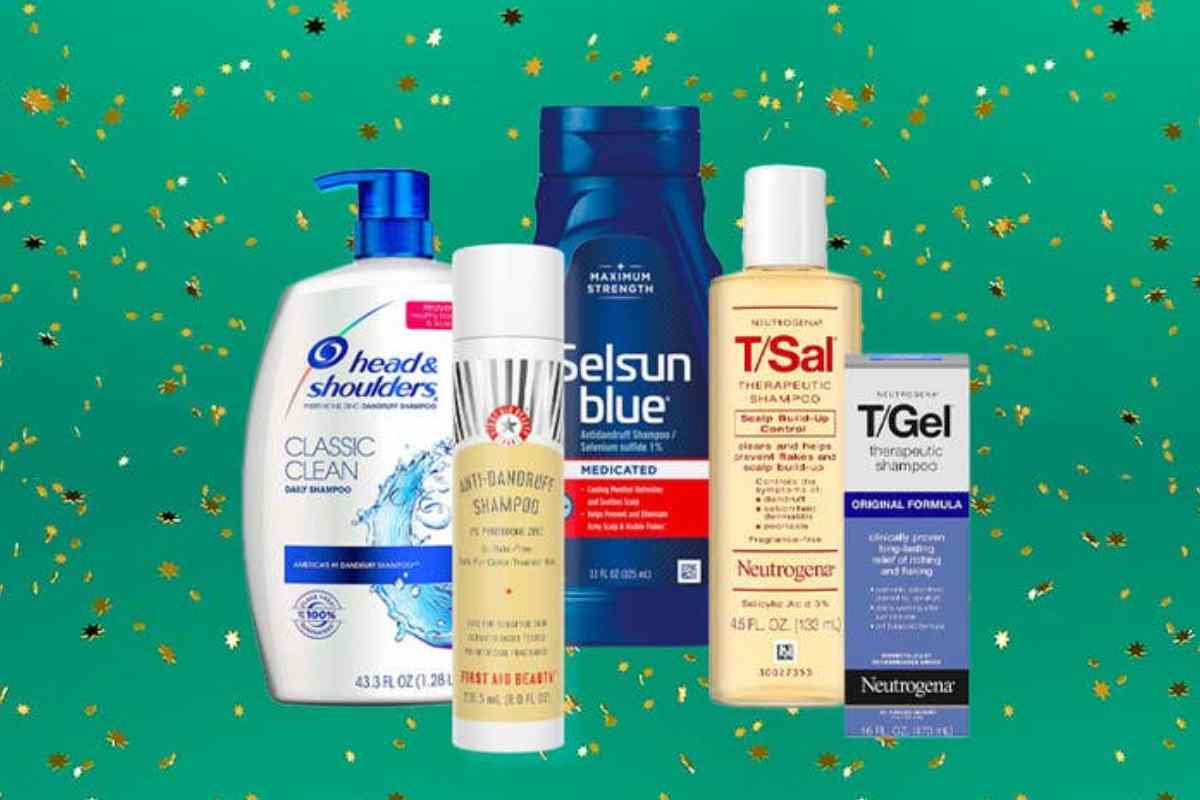
Dandruff is one of such small-yet-irritating issues, which leaves your snow globe shoulders and makes you feel unconfident. The silver lining: the problem of dandruff actively reacts to the application of the correct medicated shampoo and a small routine. It is a guide to dandruff, how the various active ingredients function as well as what the dermatologists and beauty editors tend to recommend as advice which is clear and practical so that you can make the right choice and select the shampoos which works best on your scalp and hair.
Table of Contents
What exactly is dandruff?
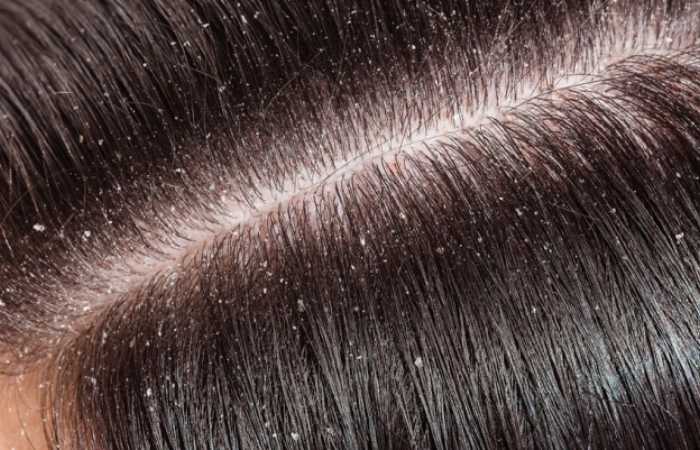
Dandruff refers to the shedding of the scalp skin which is dead. It varies to the barely realized fine dusting at one end to the heavy, greasy scales with redness and itching. To most it is the light side of a related disorder, seborrheic dermatitis; to others it is a separate irritating lasting annoyance. Both an excess growth of a normal skin yeast and a rise in the amount of scalp-oil and cell turnover are two large contributors. According to Mayo Clinic, the common causes are irritated oily skin, dry skin, and allergies to hair products among other skin disorders like psoriasis or eczema.
Best shampoos explained
Nizoral A-D (ketoconazole 1%)
Clinically proven to reduce Malassezia and inflammation; great for people who tried zinc pyrithione and still see flakes. Use 2× per week until controlled, then taper. Many dermatologists recommend rotating Nizoral with a gentle shampoo for maintenance. Evidence shows ketoconazole often improves dandruff severity significantly.
Head & Shoulders (pyrithione zinc / Clinical Strength: selenium sulfide)
A classic OTC pick. The clinical-strength formulas target oilier scalps and heavier flaking. It’s convenient, affordable, and easy to find — a good first try for many people. If one version doesn’t help, try a formula with a different active ingredient.
Selsun Blue (selenium sulfide)
Works well for oily scalps and stubborn dandruff. It slows cell turnover and has strong antifungal action. Use as directed; avoid daily overuse to prevent dryness or hair discoloration with some formulas.
Neutrogena T/Gel (coal tar) and T/Sal (salicylic acid)
T/Gel (coal tar) is excellent when flakes are thick and crusty. T/Sal (salicylic acid) helps break up scale so it washes away. Both are useful in tougher cases, but salicylic acid users should follow with a moisturizer to counter dryness.
Gentle/modern options (CeraVe Anti-Dandruff, clinical salon brands)
If regular dandruff shampoos dry your hair or irritate your scalp, look for medicated shampoos that include moisturizers (ceramides, glycerin) or “dermatologist-designed” gentle formulas. Newer products combine antifungal ingredients with skin-barri
The ingredient cheat-sheet
| Ingredient | How it helps | Typical cautions |
| Ketoconazole | Antifungal that reduces Malassezia and inflammation — good for more stubborn dandruff. | Stronger formulations exist by prescription; possible local irritation in sensitive people. |
| Zinc pyrithione | Antimicrobial and anti-inflammatory; gentle enough for frequent use and good for maintenance. | Good first-line option; effectiveness varies between people. |
| Selenium sulfide | Reduces oiliness and slows cell turnover; good for greasy flaking. | Can be drying; misuse may slightly discolor handled light hair or fabric. |
| Coal tar | Slows excessive skin cell production—useful for thick, psoriasiform scales. | Smell is strong; some people avoid long-term or sun-sensitive use. |
| Salicylic acid | Softens and removes scale by breaking bonds between skin cells. | Tends to dry the scalp; pair with moisturizers or conditioners on lengths. |
| Sulfur / combination botanicals | Exfoliating, antimicrobial effects in some blends. | Odor and scalp irritation possible; evidence varies. |
These ingredient roles are consistent across dermatology resources and product formulations. If you’re switching between actives, give each approach 4–6 weeks to judge effectiveness.
How to use dandruff shampoo so it actually works
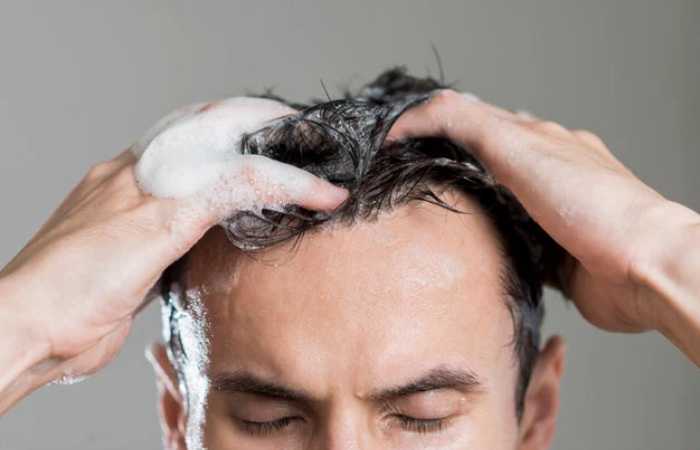
Wet thoroughly. Goods must come in contact with scalp skin and not only hair strands.
- Use enough shampoo: Apply it over the scalp and rub it into the scalp with your fingertips – not nails.
- Leave it on: The majority of the medicated shampoos are most effective when they are kept on the head 2-5 minutes (some suggest as long as 10 minutes once a week). That dwell time permits the action of active ingredient on yeast/scale.
- Rinse well: Wipe left out with residue to prevent inconvenience.
- Condition the lengths only: When your hair is dry or curly, you do not apply conditioner to your entire scalp, just the mid-lengths/ends.
- Frequency: Medicated options Start 2X/week. On reaching the control levels, continue to reduce the frequency of maintenance (only once or as needed) .American Academy of Dermatology (AAD)
In case of finches and oily hair, you can wash the hair more often; in case the hair is curly/ coily, it is better to wash with meditated shampoo not so often and use a more refined conditioning between treatments.
A simple 4-week plan to test a shampoo and know if it helps
- Week 1-2: Apply selected shampoo with medication twice a week and retain on the head within the suggested time.
- Week 3: Keep and record progress in terms of flakes, itch, and oiliness. In the case of improvement, proceed once or twice every week on maintenance.
- Week 4: In case of no significant change, change to another active ingredient (e.g., pyrithione zinc to ketoconazole or salicylic acid to coal tar) and re-do the 2-week trial. In case there is still no change, refer to a dermatologist.
Choosing by hair and scalp type
Oily scalp / heavy flakes: Selenium sulfide or ketoconazole.
- Dry scalp / sensitive skin: Pyrithione zinc in a moisturizing base, or a gentler ketoconazole formula; reduce frequency.
- Curly/coily hair: Avoid daily medicated shampoo. Use less often and always condition the lengths. Seek products labeled safe for textured hair.
- Color-treated hair: Look for “color-safe” on label; some coal tar formulas or strong selenium sulfide products can affect color — patch test.
- Pregnant or breastfeeding: Check with your clinician — many topical shampoos are considered low-risk, but it’s best to confirm.
Lifestyle & home-care tips that actually help
- Wash regularly to remove oil and dead cells — frequency depends on your scalp oiliness.
- Avoid heavy oils or waxy products on the scalp (leave-on styling products can worsen flakes).
- Brush/scalp massage gently with fingertips to loosen flakes and distribute oils.
- Manage stress — flares can follow stressful periods.
- Check your diet & hydration — no magic food, but balanced nutrition supports skin health.
- Avoid hot-water over-washing — hot water can dry or irritate the scalp.
- Use a conditioner on lengths only if medicated shampoo dries the hair.
Good Housekeeping and hair experts emphasize pairing medicated treatments with scalp-friendly daily care (hydration, gentle handling) for best long-term results.
Lifestyle habits that reduce flares
Do not use heavy leave on product in and around the head. Yeast can be fed on waxes and dense serums.
- Don’t overwash with hot water. Hot water will strip useful oils as well as make it more irritating.
- Manage stress. Flares can be aroused by stress to numerous individuals.
- Brush or massage gently. That assists in flake relaxations and picturesque sebum.
- Sleep, hydrate, balanced diet. There is no magic food, though, and good sleep and nutrition on the whole leads to better skin.
FAQ
Q: Can I use medicated shampoo every day?
A: Not usually. Most are designed 2–3×/week. Daily use can dry the scalp or irritate skin — follow the label.
Q: Are natural products (tea tree oil, aloe) useful?
A: Tea tree has some antifungal properties and can help mild cases, but evidence is mixed. Use them as adjuncts, not guaranteed cures. If you have sensitive skin, patch-test first.
Q: Will changing diet cure dandruff?
A: No proven single “dandruff diet,” but overall good nutrition supports skin health. Addressing gut or systemic issues is only rarely the key; topical scalp treatment is the mainstay.
Q: Is dandruff contagious?
A: No.
Final words
One should use evidence-based products, follow them, and wait (2-6 weeks) as the first step. To maintenance, shall you please reduce. Otherwise change the acting ingredient in the shampoo. Alternatively, when your scalp is very painful, irritated or not responding to an OTC option, visit a dermatologist and he/she will design a prescription plan.