
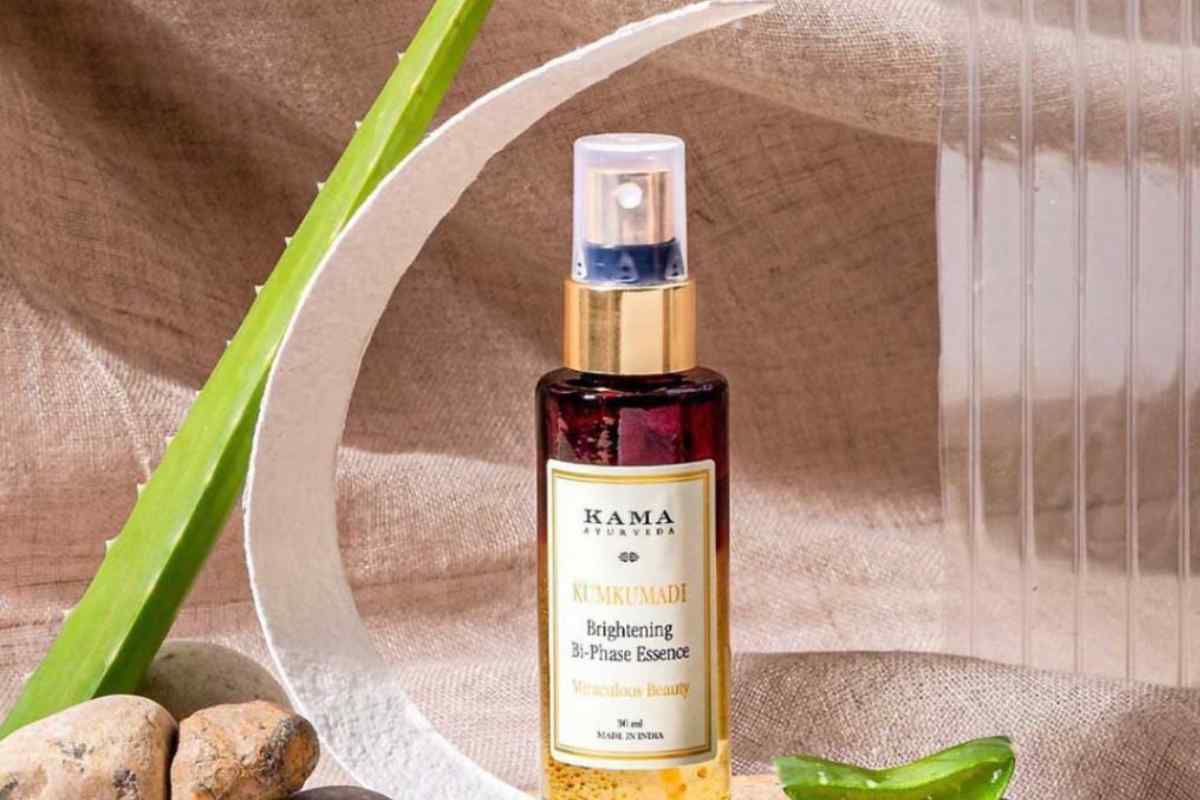
Best Brightening serum – aren’t magic: they are devices. Properly applied and regularly they effectively transform pale and shadowy areas, smoothness of the skin and the use of a natural radiance. The market is clucky, all equations are different and aspects of some brightening are merely marketing. The article de-hypes and demystifies the science, puts it in simple language and provides actionable advice that readers can immediately apply to pick a serum that really works on their skin.
Table of Contents
What is a brightening serum?

A brightening serum is a concentrated topical treatment, which is created to appear even and clearer on skin. It achieves such by three key pathways: (1) disrupting the production of melanin, (2) but slowing down or inhibiting the process of moving pigments between cells and making pigmented cells turn over at an accelerated rate. Numerous serums contain an active ingredient that determines pigment mixed with hydrators and calming substances so that you can apply it to your openings regularly since it does not lead to a flare sensation.
How brightening serums actually work (simple science)
- Less melanin synthesis– vitamin C, alpha arbutin, kojic acid, tranexamic acid etc., block the biochemical pathways in melanin synthesis (the pigment which forms dark spots).
- Modulate pigment transfer – niacinamide will reduce the degree of pigment transfer between the melanocytes and the skin cells.
- Clear and refresh – chemical exfoliants (AHA/BHA) and retinoids are applied mildly to expedite cell renewal to ensure that the pigmented cells get peeled.
- Protect and prevent – antioxidants (vitamin C, ferulic acid) aid in preventing oxidative damage exacerbation of pigmentation; sunscreen will be necessary to prevent the acquisition of new spots.
Dermatologists and testing departments keep referring to vitamin C as the gold standard/ brightening agent used many years past as the antioxidant, and new converts of agents against pigmentation are getting more and more recommended such as transverse acid or stabilized derivatives.
Why the science matters (quick takeaways)
- One has some ingredients that block the melanin-forming enzyme tyrosinase (because important to melanin), others prevent the transfer of the pigment to the outer skin cells and others shield the skin against oxidative damage that darkens pigment.
- Not all ingredients that are considered natural are efficient; the concentration, stability, and the method used to deliver the ingredient are more important than the words used in marketing.
- Concerning the stubborn temporary conditions, such as melasma, some prescription-level interventions (such as the use of tranexamic acid in some specific modalities) are being supported by clinical data and should be approached professionally.
The ingredient deep-dive (real, practical science)
| Ingredient | What it does | Best for | Notes |
| Vitamin C (L-ascorbic acid, MAP, etc.) | Antioxidant; evens tone; brightens | Dullness, sunspots, early pigmentation | L-ascorbic acid is potent but can irritate; derivatives are gentler. |
| Niacinamide | Reduces pigment transfer; strengthens barrier | Sensitive skin, redness, mild spots | Pairs well with many actives. |
| Alpha Arbutin | Inhibits melanin production | Dark spots, hyperpigmentation | Gentle, works gradually. |
| Tranexamic acid | Reduces stubborn, hormonal pigmentation | Melasma, tough discoloration | Increasingly used in clinical formulas. |
| Kojic acid | Tyrosinase inhibitor — brightens | Dark spots, post-acne marks | Can be sensitizing in high doses. |
| AHA (glycolic/lactic) | Exfoliates surface pigment | Dull, textured skin | Use with sunscreen; avoid over-exfoliation. |
| Retinoids | Boost cell turnover; reduce pigment | Stubborn spots, aging skin | Use at night; expect initial dryness/peeling. |
The five most common skin concerns and what to choose
- General dullness & early sunspots — stable vitamin C serum (or vitamin C + antioxidant combo).
- Post-inflammatory hyperpigmentation (acne marks) — niacinamide + azelaic acid or low-strength retinoid.
- Discrete dark spots — spot-treat with alpha arbutin 1–2% or targeted hydroquinone (under prescription).
- Melasma or stubborn hormonal pigmentation — consider tranexamic acid–containing regimens and consult a dermatologist.
- Sensitive, reactive skin wanting brightness — gentle derivatives (MAP), niacinamide, hydrating hyaluronic acid and barrier support. https://ijdvl.com/sunscreens/
Comparison table — curated, practical picks (global + India-friendly)
| Product (brand) | Main brightening actives | Best for | Skin types | Price tier |
| SkinCeuticals C E Ferulic | 15% L-ascorbic acid + vitamin E + ferulic acid | Overall brightening + environmental protection | Normal → dry | Luxury |
| Ole Henriksen Banana Bright | Vitamin C derivative + AHA | Quick radiance, gentle exfoliation | Normal → combo | Mid |
| The Ordinary Alpha Arbutin 2% + HA | Alpha arbutin (2%) + hyaluronic acid | Targeted dark spots (budget) | All, including sensitive | Budget |
| Minimalist 10% Vitamin C Serum | Stable vitamin C derivative + hydrating base | Everyday glow (India-friendly) | Sensitive → normal | Budget → mid |
| Plum 15% Vitamin C | High % vitamin C + boosters | Dullness, pigmentation | Normal → oily | Budget → mid |
| The Derma Co. 10% Vitamin C Serum | Vitamin C + HA | Dermatologist positioned, regionally accessible | Normal → dehydrated | Mid |
How to read the table: “Best for” reflects the strength and typical clinical use of the active(s). Price tier and availability vary—always check local retailers.
How to use a brightening serum — morning/evening cheat-sheet
- Morning routine (most serums work well AM): Cleanser → vitamin C / brightening serum → moisturizer → broad-spectrum sunscreen (SPF 30+). Sunscreen is non-negotiable; active brighteners make skin more sun-sensitive and can reverse progress if you skip protection.
- Evening routine (for retinoids / stronger actives): Cleanser → retinoid (or AHA) alternate nights → hydrating serum/moisturizer. Avoid layering too many strong actives together (e.g., high-strength vitamin C + benzoyl peroxide).
- Patch test first. Apply a pea-sized amount on the inner forearm for 3 days to check sensitivity.
- Start slow. Use brighteners every other day for 1–2 weeks, then increase frequency if tolerated.
- Expect time. Most brightening results show after 6–12 weeks of consistent use
Common mistakes — and exact fixes
- Mistake: Layering too many strong actives (vitamin C + high-strength retinoid + strong AHA).
Fix: Alternate — vitamin C in AM, retinoid at night on non-exfoliation nights. - Mistake: Skipping sunscreen because you used a brightening product.
Fix: Consider sunscreen the partner product—skip it and pigment will worsen. - Mistake: Expecting results in 1–2 weeks.
Fix: Most visible changes appear 6–12 weeks with consistent use; some stubborn pigment takes months or needs professional treatments. https://pmc.ncbi.nlm.nih.gov/articles/PMC7802860/ - Mistake: Chasing “natural” labels without checking concentration/stability.
Fix: Look at the ingredient list and concentration (when provided) and prefer brands with stability-focused packaging for actives like vitamin C.
FAQs
Q: Can I use vitamin C and niacinamide together?
A: Yes – recent evidence and equations indicate that they are complementary to each other; they could be complementary (antioxidant + barrier support). Start slowly.
Q: Do natural brightening serums work?
A: There are some botanical sources (such as Kakadu plum) that are good at providing vitamin C and antioxidants but strength and longevity is an issue. Actives (stable version of vitamin C, niacinamide, tranexamic acid) created in a clinical way usually provide quantifiable, quick results.
Q: What if I have melasma?
A: Melasma is complicated – tranexamic acid, some retinoids, or professional drugs (chemical peels, lasers) will likely be required. A dermatologist can develop a plan limited to an individual.
Final thoughts
Select one brightening serum that is targeted, apply it regularly and safeguard your skin against the sun. Harmless daily habits, such as a regular dose of vitamin C in the morning, sunscreen, and light barrier care, are cumulative, as opposed to alternating the products after every few weeks. When your pigmentation is stubborn, you should not fail to go to the professionals because it only requires a more focused and powerful plan.