
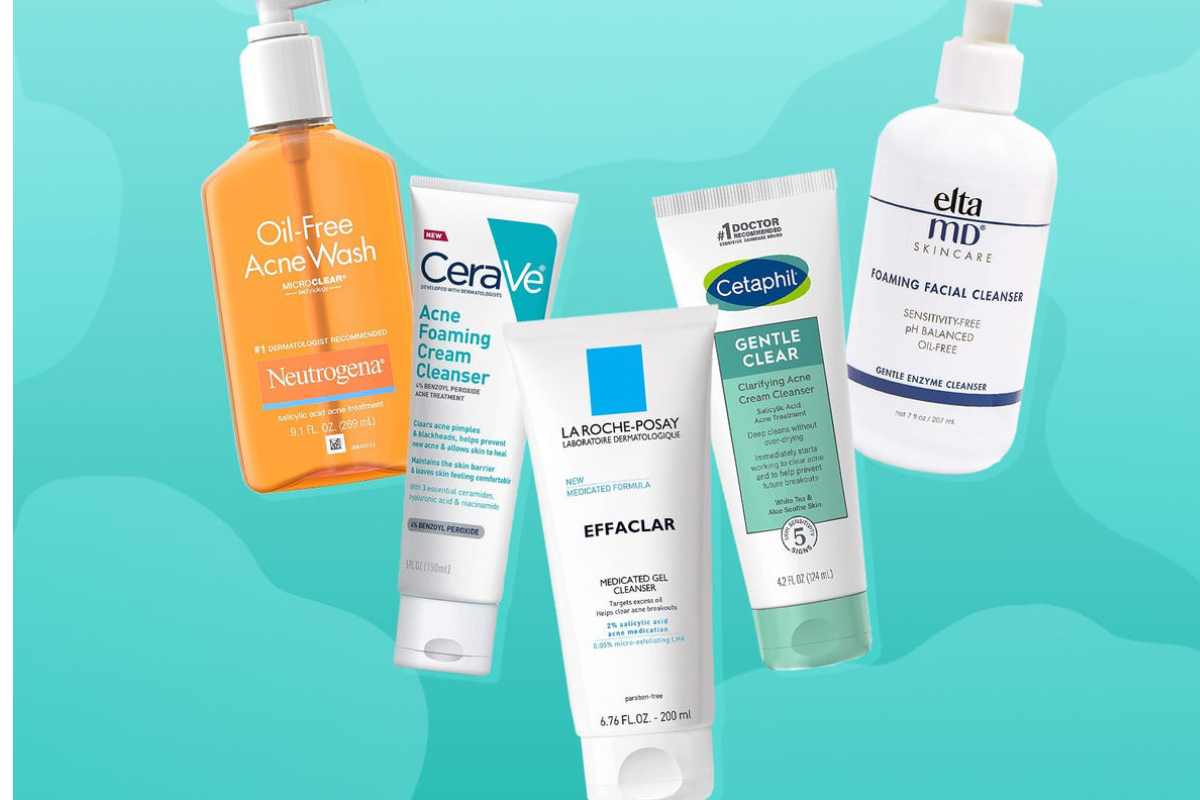
Acne prone skin requires more than just a wash that will simply remove surface impurities. You need a face wash that is able to cleanse deep without compromising the skin barrier, able to tackle excess sebum without drying out the skin, and is able to create clearer skin over time. This balance is critical because people wrongly tend to opt for an aggressive face wash in the hope that the face wash “dries out” the acne faster. In fact an overly harsh face wash will most likely trigger more sebum production, more irritation, and sometimes even more breakouts.
A proper face wash for acne-prone skin will leave your face feeling clean but not stripped. Sweat, sunscreen, pollution and sebum need to be removed, leaving the skin feel calm and happy. An appropriate face wash will become part of a simple routine that leads to clearer and healthier looking skin.
Table of Contents
What is Acne Prone skin?
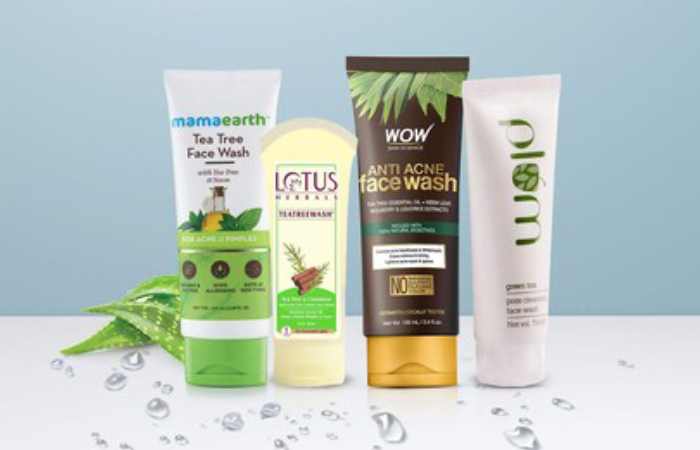
Acne-prone skin refers to skin that gets blackheads, whiteheads, pimples, plugged pores, and occasionally inflamed breakouts faster than normal skin is thought to. The reason for blackheads, whiteheads, pimples, plugged pores and occasionally inflamed break-outs is because of increased production of sebum (the natural oil which skin produces), dead skin cells, bacteria in the skin, fluctuating hormones, humidity and even sometimes occlusive components found in many products.
You do not necessarily need to have oily skin if you have acne-prone skin. People with a dry or combination type of skin can also develop acne and therefore the “strongest” face wash is not always going to be the best answer for the skin.
Good Face Wash for Acne-Prone Skin Do?
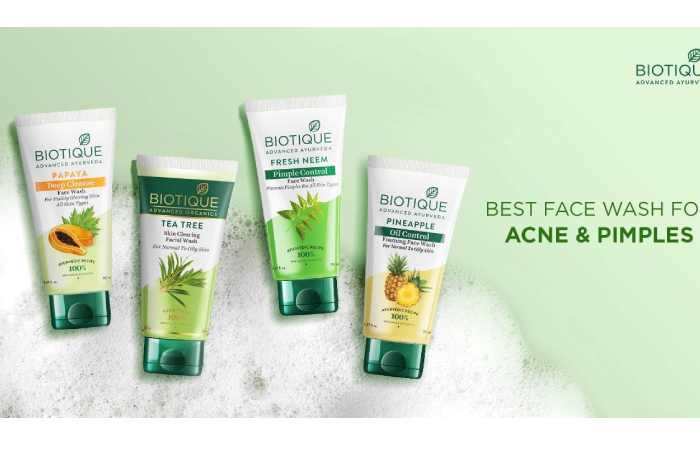
A good face wash should help your skin to perform five key tasks- it should help to remove all traces of dirt, keep oiliness under control, prevent the pores from becoming plugged and inflamed, and importantly, keep your skin’s barrier intact. In fact, it can be said that if the face wash deals effectively with just one of these factors, like removing the oils in the skin, then another problem will merely crop up in their place-be that dryness or irritation.
A good acne face wash will feature a formula which is relatively gentle but one or two active ingredients, such as a salicylic acid, benzoyl peroxide, niacinamide or tea tree extract will ideally also be present in the formula, so as to fight the acne from a number of different angles, and although the specific best type for you will vary from person to person, this type is best suited to an individual depending on how your skin can tolerate such active ingredients and which type of acne you are prone to.
Common Face Wash Ingredients for Acne-Prone Skin
| Ingredient | Main Benefit | Best For | Things to Know |
| Salicylic Acid | Helps unclog pores and reduce blackheads | Oily and acne-prone skin with clogged pores | Can be drying if overused |
| Benzoyl Peroxide | Helps reduce acne-causing bacteria | Inflamed pimples and active breakouts | May irritate sensitive skin and can bleach fabric |
| Niacinamide | Helps calm skin and support oil balance | Sensitive, combination, and acne-prone skin | Works well as part of a gentle routine |
| Tea Tree Extract | Offers natural antibacterial support | Mild acne and oily skin | May not suit very sensitive skin |
| Gentle Gel Cleanser | Cleans without stripping | Daily use for most acne-prone skin types | Best when paired with targeted treatments |
| Sulfur | Helps reduce excess oil and breakouts | Oily skin with frequent congestion | Can have a drying texture or scent |
How to Choose the Best Face Wash for Acne-Prone Skin
The best face wash for acne-prone skin depends on your specific concern. If your skin gets clogged easily, look for a cleanser with salicylic acid. When you get red, swollen pimples, a benzoyl peroxide formula may be more helpful. If your skin is easily irritated, a soothing cleanser with niacinamide or a fragrance-free gel wash may be a better choice. Best Products for Acne-Prone Skin (Dermatology Guide)
Here are a few things to look for on the label:
1. A gentle, non-stripping formula
The cleanser should remove oil and dirt without leaving the skin squeaky clean or tight. That tight feeling often means the skin barrier is being disrupted.
2. Non-comedogenic properties
Non-comedogenic products are designed to be less likely to clog pores. While no product works perfectly for everyone, this is a useful starting point.
3. Acne-friendly active ingredients
Look for ingredients that match your needs. Salicylic acid is often a smart choice for blackheads and whiteheads. Benzoyl peroxide is better for active pimples. Niacinamide is great for calming the skin.
4. Fragrance-free or low-irritation formulas
Fragrance can irritate acne-prone skin, especially if your skin is also sensitive. A simple formula is often safer and easier to tolerate.
5. pH-balanced cleansing
A pH-balanced face wash is usually gentler on the skin barrier and more suitable for daily use.
Which Face Wash Type Suits Which Skin?
| Skin Concern | Best Face Wash Type | Why It Works |
| Blackheads and clogged pores | Salicylic acid cleanser | Helps penetrate pores and clear buildup |
| Red, inflamed pimples | Benzoyl peroxide cleanser | Targets acne-causing bacteria |
| Oily skin with mild acne | Gel cleanser with salicylic acid | Cleans excess oil without heaviness |
| Sensitive acne-prone skin | Fragrance-free gentle cleanser | Reduces irritation while cleansing |
| Combination skin | Balanced gel cleanser with niacinamide | Controls oil and supports skin comfort |
| Dry acne-prone skin | Mild hydrating cleanser with light acne support | Cleans without worsening dryness |
Best Ingredients to Look for in a Face Wash
Salicylic Acid
Salicylic acid is one of the more commonly found ingredients for acne-prone skin. The reason for this is that the ingredient is oil-soluble, thus able to penetrate pores and clear excess sebum, dead skin cells, and debris found in the pores. The ingredient can be effective in treating blackheads, whiteheads, and rough skin.
Benzoyl peroxide
Commonly recommended for those with inflammatory acne. Benzoyl peroxide works to control the bacteria that lead to acne, and may also be effective in clearing breakouts with continuous use. Benzoyl peroxide has a drying effect and is important not to over-cleanse with this ingredient.
Niacinamide
It is an ingredient beneficial in helping to keep the skin barrier healthy while working to decrease excess sebum. Niacinamide cannot be categorized as an active anti-acne ingredient like salicylic acid or benzoyl peroxide; however, it can be an effective ingredient for keeping the skin balanced.
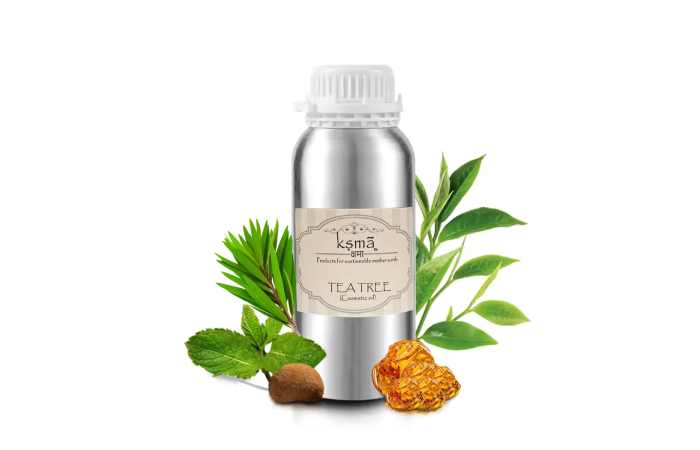
Tea tree extract
A common ingredient found in acne cleansers, due to its antibacterial nature. Tea tree extract can be beneficial for milder acne, however, one must be sure to proceed with caution as those with sensitive skin could find natural ingredients to be irritating.
Ceramides and glycerin
Ceramides and glycerin are neither overtly anti-acne ingredients nor do they actually fight against acne, but both are necessary for the repair of the skin barrier. Those experiencing dry and irritated skin after following an acne routine routine would likely find the use of a ceramide or glycerin cleanser to be a more sustainable choice for the skin.
How to Use Face Wash for Acne-Prone Skin Correctly (Step-by-Step Table)
| Step | What to Do | How to Do It | Why It Matters |
| 1 | Wash your hands first | Use soap and clean water before touching your face | Prevents transferring dirt and bacteria to acne-prone skin |
| 2 | Use lukewarm water | Splash your face with lukewarm (not hot) water | Hot water can irritate skin and increase oil production |
| 3 | Take a small amount | Use a pea-sized amount of face wash | Too much product can dry out and irritate the skin |
| 4 | Apply gently | Massage in circular motions for 20–30 seconds | Gentle cleansing removes dirt without damaging the skin barrier |
| 5 | Focus on oily areas | Clean areas like forehead, nose, and chin (T-zone) properly | These areas produce more oil and are prone to breakouts |
| 6 | Avoid scrubbing | Do not rub harshly or use rough tools | Scrubbing can worsen acne and cause redness |
| 7 | Rinse thoroughly | Wash off all cleanser with water | Leftover product can clog pores and cause irritation |
| 8 | Pat dry | Use a clean, soft towel and gently pat your skin | Rubbing can irritate sensitive, acne-prone skin |
| 9 | Apply treatment (if any) | Use acne treatments like serums or spot treatments | Helps target pimples effectively after cleansing |
| 10 | Moisturize | Apply a lightweight, non-comedogenic moisturizer | Keeps skin hydrated and prevents excess oil production |
| 11 | Use sunscreen (morning) | Apply SPF after moisturizer | Protects skin and prevents acne marks from darkening |
| 12 | Follow twice daily routine | Wash face once in morning and once at night | Overwashing can damage skin; consistency is key |
Mistakes People Make When Selecting a Face Wash.
One major mistake is selecting a cleanser because it feels like it is doing “a lot” to your face as opposed to actually working and having a positive effect. Foaming or “strong” washes often feel like they are working on the face in the time frame and at the moment you’re using them, however, they end up causing skin irritation and harming the skin barrier. The wrong kind of face wash might actually contribute to acne problems, even if the cleanser is “for acne”. Another mistake people make is overusing acne fighting ingredients. Over stimulating skin by using face wash, toner, serum and spot treatments at one time all containing active ingredients.
A wrongly chosen face wash might confuse what product to select. But remember skin care takes time and a face wash will likely begin clearing skin in small amounts of time, along with a whole routine of other skincare including moisturizer and sunscreen. Don’t forget the moisturizer-even acne-prone skin needs it.
Sample Routine for Acne-Prone Skin
| Step | Morning | Night |
| Cleanser | Gentle acne-friendly face wash | Same face wash or a slightly stronger one if tolerated |
| Treatment | Lightweight serum if needed | Acne treatment if prescribed or recommended |
| Moisturizer | Oil-free, non-comedogenic moisturizer | Barrier-supporting moisturizer |
| Sunscreen | Broad-spectrum SPF | Not needed |
This kind of routine keeps things simple while still addressing acne without overloading the skin.
What Kind of Face Wash Is Best Overall?
A Salicylic Acid Gel Cleanser is by far one of the safest bets available. It is best for clogged pores, blackheads, minor breakouts and oily skin. For more inflammatory acne, a Benzoyl Peroxide cleanser may do some good. For those whose acne-prone skin is combination and/or sensitive, a gentle cleanser with Niacinamide or an unscented variety is probably the most intelligent one to use for your everyday wash.
Final Words
The real key to dealing with acne-prone skin isn’t about beating down the face; it is about being gentle and patient with the face. Your cleanser should pamper your skin rather than beat down it. By choosing a product with the right ingredients, a gentle formula and the correct consistency for your skin type, you will have built a proper base for blemish-free skin.