
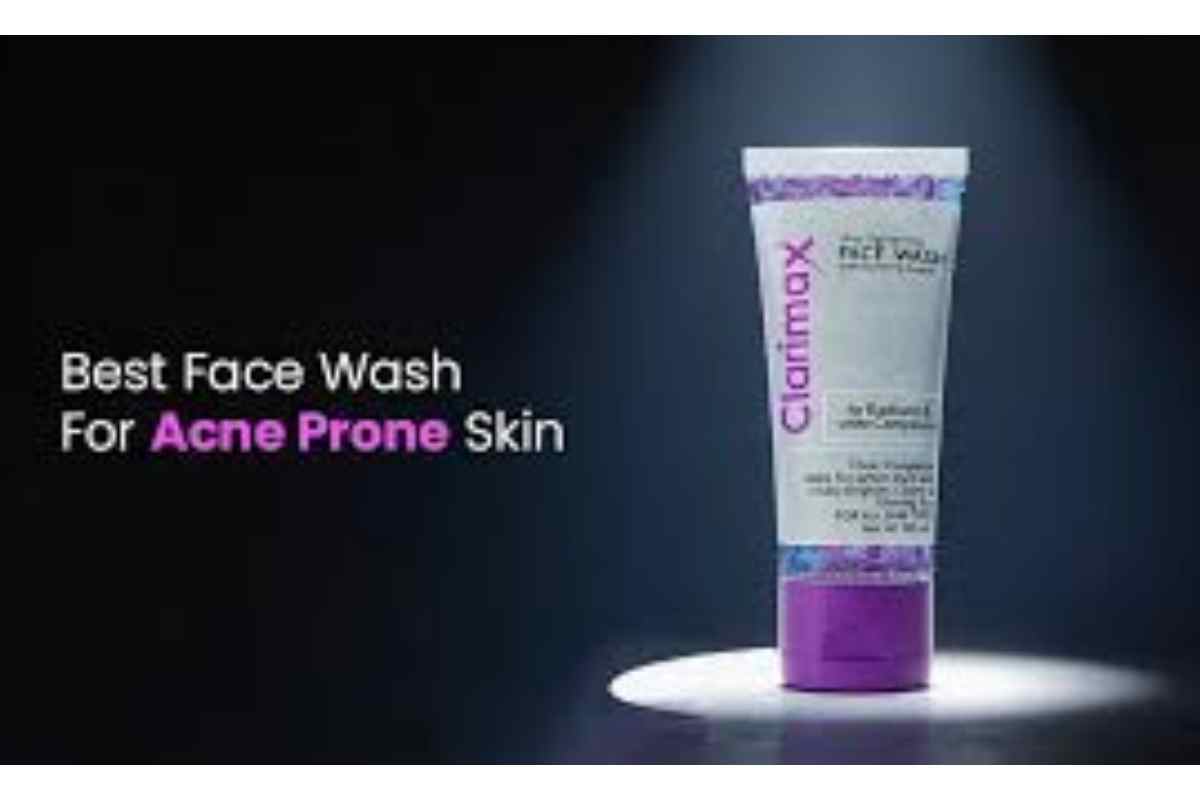
Finding the best face wash for acne prone skin is not as easy as it sounds. Most products make big promises. One says it controls oil. Another says it clears breakouts. A third feels so strong that your face ends up tight, dry, and uncomfortable after washing.
And honestly, that “squeaky clean” feeling is not always a good sign.
For acne-prone skin, the goal is not to wash harder. The goal is to cleanse in a way that removes dirt, sweat, sunscreen, and excess oil without irritating the skin or making it rebel later. A face wash that is too harsh can strip the skin barrier, and once that barrier gets weak, breakouts often become even harder to manage.
Table of Contents
What Acne-Prone Skin Really Means
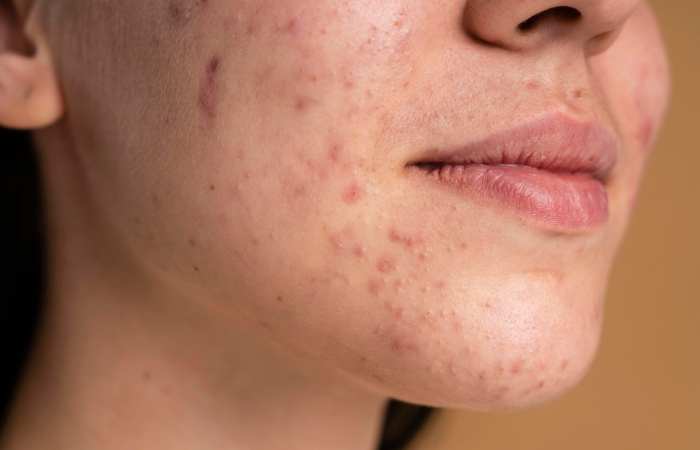
Acne-prone skin is skin that tends to clog, break out, or get inflamed more easily than other skin types. That can show up as blackheads, whiteheads, red pimples, tiny bumps, or oily patches that seem to return no matter what you do.
A lot of people think acne-prone skin must always be oily. Not true. Some people have oily acne-prone skin, but others have combination skin, sensitive skin, or even dry skin and still get breakouts. That is exactly why choosing a face wash only because it says “oil control” can be a mistake.
A good face wash for acne-prone skin should do three things well:
- clean the skin gently
- help keep pores from clogging
- support the skin barrier instead of damaging it
That balance matters more than most people realize. Best Face Washes for Acne (Dermatologist Picks)
Ingredients That Can Help Acne-Prone Skin
When I look at a face wash for acne-prone skin, I start with the ingredient list. Fancy packaging does not tell you much, but ingredients usually do.
| Ingredient | What It Does | Best For |
| Salicylic Acid | Helps clear out clogged pores and excess oil | Blackheads, whiteheads, oily acne-prone skin |
| Benzoyl Peroxide | Helps reduce acne-causing bacteria | Inflamed pimples, active breakouts |
| Niacinamide | Supports the skin barrier and helps calm oiliness | Redness, enlarged pores, uneven texture |
| Glycolic Acid | Gently removes dead skin cells | Dull skin and mild congestion |
| Lactic Acid | Offers softer exfoliation | Sensitive skin that still breaks out |
| Ceramides | Help protect and repair the barrier | Dry, irritated acne-prone skin |
| Glycerin | Draws moisture into the skin | Almost all skin types |
These ingredients are popular for a reason. They solve different problems, and the best product for you depends on what your skin is doing most of the time.
Ingredients That Can Make Things Worse
Some ingredients are not “bad,” but they can be too much if your skin is already stressed.
| Ingredient Type | Why To Be Careful |
| Heavy fragrance | Can irritate sensitive or inflamed skin |
| Harsh sulfates | May strip too much oil and leave skin dry |
| Scrub beads | Can cause small tears or extra redness |
| Too many active acids | Can lead to peeling, stinging, or barrier damage |
If your face wash leaves your skin feeling squeaky, tight, or itchy, that is usually your skin telling you to slow down.
Comparison Table: Which Face Wash Type Suits You Best?
This part helps a lot when you are trying to narrow down the right cleanser.
| Face Wash Type | Best For | Texture / Feel | Main Benefit | Possible Downside |
| Salicylic acid cleanser | Oily, clogged, acne-prone skin | Light gel or foam | Helps clean pores and reduce breakouts | May dry out very sensitive skin |
| Benzoyl peroxide cleanser | Active acne and red pimples | Usually foaming or creamy | Helps fight acne-causing bacteria | Can feel drying and may bleach fabric |
| Gentle gel cleanser | Daily cleansing for most skin types | Fresh and lightweight | Removes dirt without stripping | May feel too mild for heavy acne |
| Cream cleanser with ceramides | Dry or sensitive acne-prone skin | Soft and comforting | Cleans while supporting the barrier | May feel rich for very oily skin |
| Mild exfoliating cleanser | Rough texture and dullness | Smooth and clean-feeling | Removes dead skin buildup | Can irritate if used too often |
There is no single “best” option for everyone. The right face wash depends on how oily your skin gets, how sensitive it is, and how much acne you are dealing with right now.
How to Choose the Right Face Wash for Your Skin Type
Your skin is oily and breaks out often

A salicylic acid face wash is usually a smart place to start. It works well for people who deal with blackheads, clogged pores, and that constant shiny look by midday. The key is to choose one that cleans without leaving your face feeling stripped.
If your breakouts are red, swollen, and angry
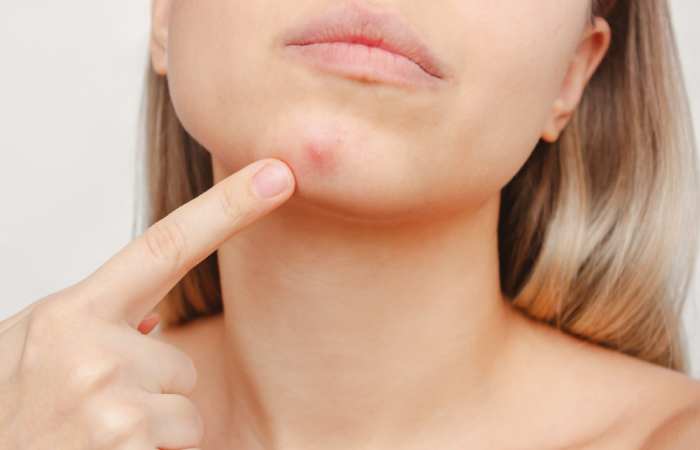
A benzoyl peroxide cleanser may be more useful. It is often better for active pimples and inflamed acne. Start slowly, though. Stronger is not always better, especially if your skin is already reactive.
If your skin is sensitive and acne-prone
Look for a gentle, fragrance-free gel cleanser with calming ingredients like niacinamide or ceramides. Sensitive skin usually does better with less drama and fewer strong actives.
If your skin feels dry but still breaks out
A cream cleanser or low-foam cleanser may be the better fit. Dry acne-prone skin still needs moisture. In fact, when skin gets too dry, it can become even more irritated and uneven.
If your skin feels rough or bumpy
A mild exfoliating cleanser with salicylic acid, lactic acid, or glycolic acid may help smooth things out over time. Just do not overuse it. Acne-prone skin usually likes consistency more than aggression.
What to Look for on the Label
When you are shopping, a few words on the package can help guide you.
- fragrance-free or low-fragrance
- non-comedogenic
- gentle pH-balanced formula
- no harsh scrubbing beads
- one main acne ingredient, not too many strong ones at once
- barrier-friendly extras like glycerin, ceramides, or niacinamide
That last part is underrated. A good face wash should not just remove oil. It should leave your skin feeling normal, not punished.
Simple Cleansing Routine for Acne-Prone Skin
A lot of people wash their face too much because they feel like more cleansing will fix the problem. Usually, it does the opposite.
| Time | What To Do | Why It Helps |
| Morning | Use a gentle cleanser or a mild acne wash | Removes overnight oil without over-drying |
| Evening | Cleanse once to remove sunscreen, dirt, and oil | Helps reduce clogged pores |
| After sweating | Rinse or cleanse gently if needed | Removes sweat and grime before it sits on skin |
| Avoid | Washing more than 2–3 times a day | Over-cleansing can irritate acne-prone skin |
A simple routine often beats an intense one. Skin usually responds better when it feels safe.
What Makes a Face Wash “Best” for Acne-Prone Skin?
The best face wash is not always the strongest one. In real life, the best one is the one you can use every day without your skin acting annoyed about it.
A good cleanser should:
- reduce breakouts without causing dryness
- cleanse deeply without stinging
- keep pores from getting congested
- feel comfortable enough to use regularly
- support the skin barrier instead of weakening it
That is the kind of balance acne-prone skin usually needs.
Common Mistakes People Make
Even with good intentions, it is easy to pick the wrong cleanser.
1. Choosing something too harsh
If your face feels tight, itchy, or overly dry after washing, that product may be too strong.
2. Switching products too often
Acne treatment takes time. Constantly changing cleansers makes it hard to know what is helping.
3. Scrubbing too hard
Acne is not dirt sitting on the skin. Rubbing harder usually just adds irritation.
4. Using too many acne products at once
If your cleanser has acids, your toner has acids, and your cream also has active ingredients, your skin may get overwhelmed.
5. Forgetting about moisture
Even oily acne-prone skin needs hydration. A damaged, dry barrier can make skin more sensitive and more reactive.
Ingredient Combinations That Work Well Together
Some ingredients are even better when they are paired the right way.
| Combination | Why It Works |
| Salicylic acid + niacinamide | Helps unclog pores while calming the skin |
| Benzoyl peroxide + glycerin | Targets breakouts without making skin feel as dry |
| Ceramides + gentle cleanser base | Supports comfort and barrier repair |
| Lactic acid + soothing ingredients | Makes exfoliation feel softer and less irritating |
This is often where a good face wash stands out. It treats acne without making your face feel like it has been through a battle.
A Realistic Way To Pick One
If you are standing in a store or browsing online and feel stuck, keep it simple.
- Choose salicylic acid if your skin is oily and clogged.
- Choose benzoyl peroxide if you get inflamed pimples.
- Choose ceramides or a gentle gel cleanser if your skin is sensitive.
- Choose a mild exfoliating cleanser if your skin feels bumpy and dull.
- Avoid anything that leaves your skin feeling raw.
That one approach can narrow the options down quickly.
FAQ:
Can acne-prone skin use a face wash every day?
Yes. Daily cleansing is usually helpful, as long as the face wash is gentle enough for your skin.
Is a foam cleanser better for acne-prone skin?
Not always. Foam cleansers can feel refreshing, but some are too drying. Gel and cream cleansers can work just as well depending on your skin type.
Should I use salicylic acid or benzoyl peroxide?
Use salicylic acid for clogged pores, blackheads, and oily skin. Use benzoyl peroxide for more inflamed pimples. Some people use both in different parts of their routine, but it depends on how sensitive their skin is.
Can a face wash alone clear acne?
A face wash can help a lot, but acne often needs more than just cleansing. Moisturizer, sunscreen, and sometimes leave-on treatment products matter too.
Is a natural face wash better?
Not always. “Natural” sounds nice, but acne-prone skin usually responds best to formulas that are gentle, effective, and well made.
Final Thoughts
Choosing the best face wash for acne prone skin is really about balance. You want something that cleans well, helps prevent clogged pores, and still respects your skin barrier. Some people do best with salicylic acid, some with benzoyl peroxide, and some with a simple gentle cleanser that keeps the skin calm.