
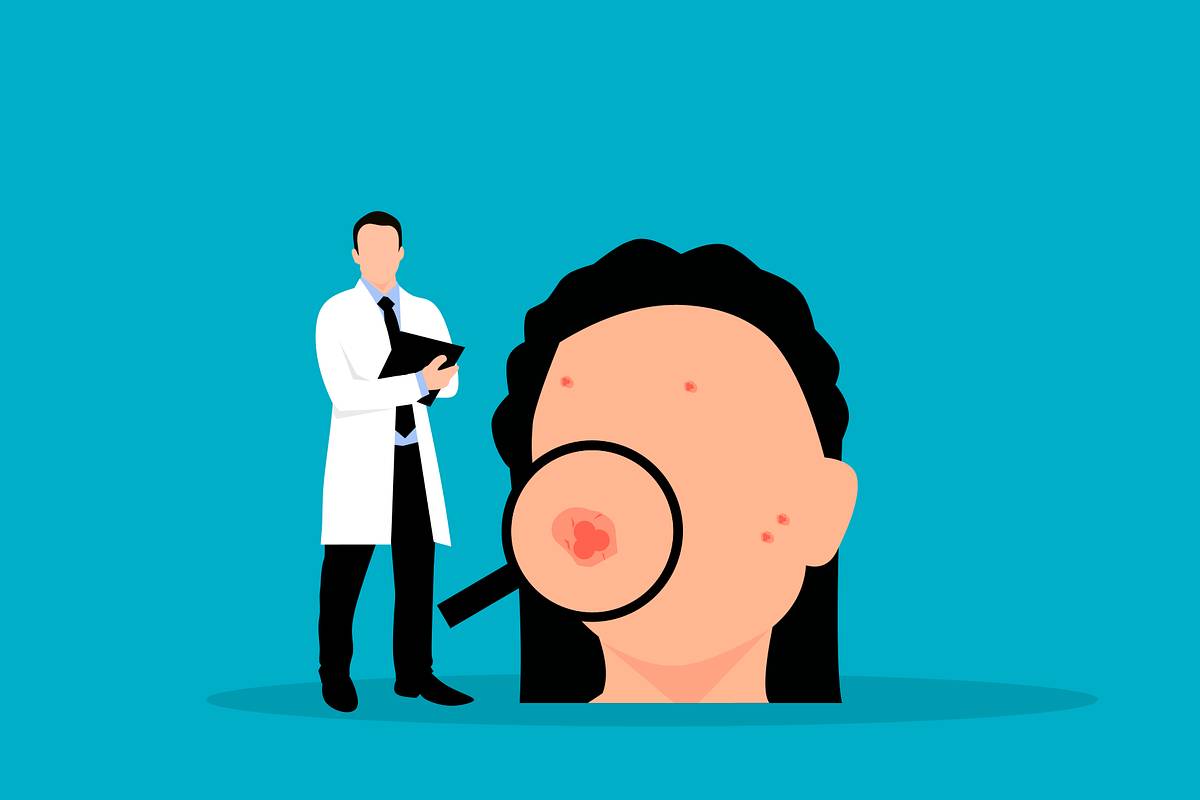
Acne can be surprisingly persistent. For some people it starts early and never quite settles, while for others it appears later in life and behaves in unfamiliar ways. Breakouts may improve for a few weeks, then suddenly flare again, sometimes without an obvious trigger. Alongside the physical discomfort, there is often a quiet mental load, checking mirrors, adjusting routines, and wondering whether the skin will ever feel predictable.
In a clinical treatment setting, acne is usually approached with more structure than many people expect. Instead of focusing only on clearing visible spots, attention is given to why acne keeps returning, how the skin reacts to treatment, and what risks exist for scarring or pigmentation. This broader approach tends to feel more reassuring, especially for those who have already tried multiple products with limited success.
Table of Contents
Why Acne Care in a Clinical Setting Is Different
When people explore options beyond home care, acne treatment clinic Singapore is often mentioned in the middle of conversations about long-term breakouts, previous treatments, and skin sensitivity, rather than being framed as a last resort. This reflects how clinical acne care is typically positioned.
A clinical setting allows acne to be evaluated as a medical condition rather than just a cosmetic issue. Factors such as inflammation, bacterial activity, oil production, and skin barrier health are assessed together. In practice, this means treatment decisions are based on patterns rather than isolated flare-ups.
Another difference lies in monitoring. Clinical care usually involves follow-up, adjustment, and reassessment. Acne is rarely static, and treatment plans are often refined as the skin changes.
Initial Assessment and Skin Evaluation
Comprehensive acne care usually begins with a detailed assessment. This goes beyond counting pimples. Dermatology-trained clinicians look at lesion types, distribution, and depth. Whiteheads, inflamed papules, pustules, and deeper nodules each suggest different levels of activity.
The surrounding skin is also examined. Redness, sensitivity, or dryness may influence how aggressively acne can be treated. In addition, areas prone to post-inflammatory pigmentation are noted, as this affects both treatment choice and pacing.
Medical history plays a role as well. Past reactions, previous medications, and lifestyle factors are discussed. In practice, these details often explain why certain treatments worked temporarily or failed entirely.
Individualized Treatment Planning
Once assessment is complete, treatment planning becomes more personalized. Clinical acne care rarely relies on a single method. Instead, plans often combine topical care, procedural options, and lifestyle guidance.
Treatment intensity is usually adjusted to acne severity and skin tolerance. Mild but persistent acne may be managed differently from severe, inflammatory acne. In many cases, starting conservatively helps the skin adapt and reduces irritation.
Plans are not static. As the skin responds, treatments may be intensified, modified, or simplified. This flexibility is one of the strengths of clinical care.
Managing Active Breakouts Safely
Active acne is often the first focus of treatment. Reducing inflammation and preventing new lesions helps create a stable baseline. In a clinical setting, this may involve targeted therapies chosen for both effectiveness and tolerability.
Aggressive clearing is not always the goal. Over-treating can compromise the skin barrier, leading to rebound breakouts or increased sensitivity. Therefore, balance is emphasized.
In practice, calmer skin often responds better over time, even if progress feels slower initially.
Preventing Scarring and Pigmentation
One of the key advantages of clinical acne care is early attention to scarring risk. Persistent inflammation increases the likelihood of permanent texture changes. Identifying high-risk patterns early allows preventative strategies to be introduced.
Post-inflammatory pigmentation is another concern, particularly for certain skin types. Dark marks may linger long after acne resolves. Clinical care often addresses this alongside active acne rather than waiting until later.
Preventative focus may not feel dramatic, but it often reduces the need for more intensive procedures in the future.
Addressing Underlying Triggers
Acne is rarely caused by a single factor. Hormonal fluctuations, stress, diet, and skincare habits may all contribute. In a clinical setting, these influences are explored without assuming a single cause.
Hormonal acne, for example, often follows cyclical patterns and may concentrate around the jawline. Understanding these patterns helps guide treatment selection and expectation setting.
Lifestyle factors are discussed carefully. While changes alone may not resolve acne, they often support medical treatment and improve stability.
Ongoing Monitoring and Adjustment
Acne treatment is rarely linear. Improvement may come in waves, with occasional setbacks. Clinical care includes monitoring these patterns rather than reacting to each flare.
Follow-up visits allow adjustments to be made based on response. If irritation develops, treatment may be paused or modified. If progress plateaus, additional options may be considered.
This ongoing adjustment helps prevent frustration and reduces the risk of unnecessary escalation.
Emotional Support and Education
Acne often affects confidence and social comfort. Clinical care acknowledges this emotional dimension. Education about acne behavior, timelines, and limitations helps reduce anxiety.
Understanding that acne management is a process rather than a quick fix can be reassuring. Patients often feel more in control when they know what to expect and why changes are happening.
In practice, feeling supported can make it easier to stay consistent with treatment.
Long-Term Maintenance Strategies
Even when acne improves, maintenance is usually discussed. Skin may remain prone to breakouts under certain conditions. Having a plan for flare management helps prevent relapse.
Maintenance strategies may involve ongoing topical care, periodic reviews, or adjustments during high-risk periods. This approach frames acne as manageable rather than unpredictable.
Over time, this consistency often leads to fewer severe flare-ups and greater confidence.
When to Seek Professional Help
- Acne that persists despite consistent over-the-counter care
- Painful or deep breakouts that heal slowly
- Frequent flare-ups leaving marks or scars
- Acne that worsens with stress or hormonal changes
- Uncertainty about safe or effective treatment options
Viewing Acne Care as a Structured Process
Comprehensive acne care in a clinical setting is less about chasing perfection and more about creating stability. By assessing severity, identifying triggers, and adjusting treatment gradually, skin health is prioritized.
Unfortunately, there are few shortcuts. Acne responds best to consistent, thoughtful care rather than sudden aggressive changes. Over time, this approach often leads to clearer skin and fewer setbacks.
Understanding acne as a condition that can be managed helps make the journey feel less overwhelming.
Commonly Asked Question
Is clinical acne care only for severe cases?
Not necessarily. Persistent mild or moderate acne can also benefit from structured assessment and care.
How long does it usually take to see improvement?
Timelines vary. Some people notice changes within weeks, while others require longer-term management.
Will clinical treatment dry out my skin?
In many cases, treatment is adjusted to protect the skin barrier rather than strip oil excessively.
Can acne return after treatment?
It can. Maintenance strategies help reduce the frequency and severity of future flare-ups.
Is follow-up really necessary?
Often, yes. Acne behavior changes over time, and follow-up allows treatment to stay aligned with skin response.
Next Steps
If acne continues to feel unpredictable or difficult to manage, visiting an acne-focused clinical setting may help clarify underlying patterns and treatment options. Understanding how comprehensive acne care is structured can make the process feel more manageable and less trial-and-error over the long term.
Also Read: The Philosophy of Korean Skincare: Why K-Beauty Stands Out