
Korean skincare has gained popularity everywhere in the world just due to one thing; that is, it is concerned about taking care of the skin when things are not out of control. Korean skincare is not about rushing, and it suggests patience, hydration, and consistency. It is not concerning the consumption of the largest amount of products. It is a matter of looking at the right products to be used at the right sequence.
Primarily, a Korean skincare regimen is based on a very serene concept, which is to treat the skin kindly, provide it with moisture, keep it away harm, and ensure its own natural defense on a daily basis. This is the reason why so many people who adhere to this kind of routine find themselves with skin so soft, bright and healthy in the course of time.
Table of Contents
What is a Korean Skincare Routine?
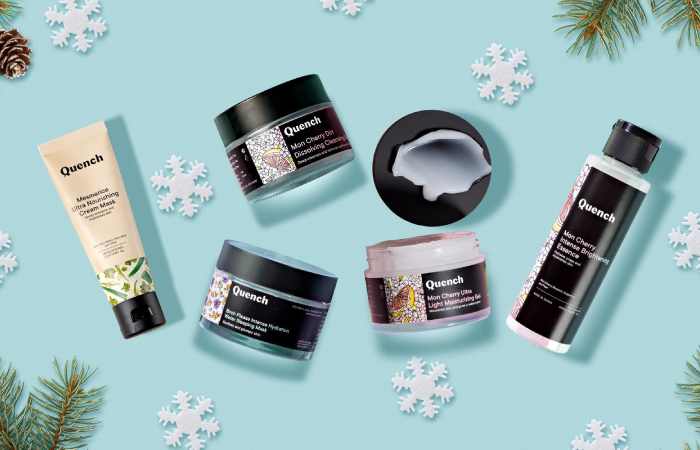
Korean skincare routine is a procedure of cleaning, moisturizing, treating and protecting the skin in stages. It contains several layers of lightweight products generally aimed at making the skin better. The routine may be short or long contrasting with your skin type and time and necessities.
In comparison with strict regimens that make the skin dry, the Korean skincare was created to help moisturize the skin barrier. This implies that it aims at maintaining moisture in and irritation out. The outcome is skin that tends to appear more balanced, smooth and naturally radiant. Korean Skincare Routine Explained by Experts
Why Korean Skincare Feels Different
Korean skincare stands out because it is thoughtful. Every step has a purpose. There is no unnecessary rush, no aggressive scrubbing, and no belief that “more damage means more results.” Instead, the philosophy is to build healthy skin slowly.
This is why many people love it:
- It supports hydration.
- It helps calm sensitive skin.
- It can be adjusted for oily, dry, acne-prone, or combination skin.
- It focuses on prevention as much as treatment.
- It makes skin care feel like self-care, not a chore.
When done consistently, the routine can help improve texture, dullness, dryness, and the overall appearance of the skin.
Comparison Table: Korean Skincare Routine Steps
| Step | Product Type | Main Purpose | Best For |
| 1 | Oil cleanser | Removes makeup, sunscreen, and excess oil | All skin types, especially oily and makeup users |
| 2 | Water-based cleanser | Cleans away sweat, dirt, and leftover residue | All skin types |
| 3 | Exfoliator | Removes dead skin cells and improves texture | Dull, rough, or congested skin |
| 4 | Toner | Balances and hydrates the skin | Dry, sensitive, and dehydrated skin |
| 5 | Essence | Adds lightweight hydration and supports skin repair | All skin types |
| 6 | Serum/Ampoule | Targets specific concerns like acne, dark spots, or wrinkles | Concern-based skincare |
| 7 | Sheet mask | Gives an extra boost of moisture and nourishment | Dry, tired, or stressed skin |
| 8 | Eye cream | Hydrates and softens the delicate eye area | Dry or mature skin |
| 9 | Moisturizer | Locks in hydration and protects the skin barrier | All skin types |
| 10 | Sunscreen | Protects from UV damage and premature aging | Morning routine for everyone |
The Korean Skincare Routine Steps in Detail
1. Oil Cleanser: The First Deep Clean
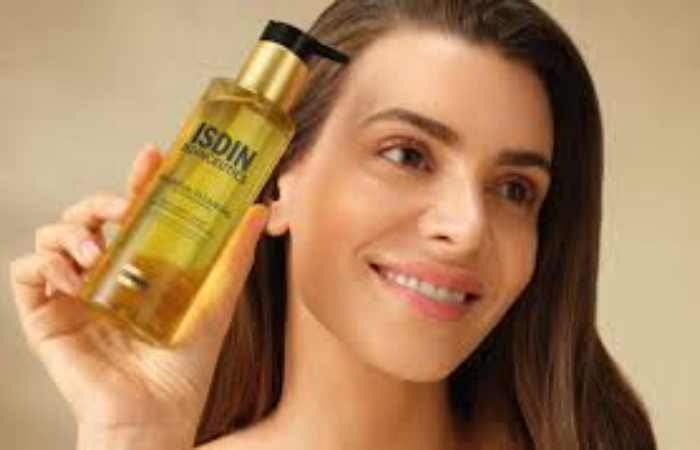
Oil cleansing is the initial practice of most Korean skincare. This can come out surprising but oil removes oil very well. It assists in the removal of makeup, sunscreen, sebum and dirt accumulating on the skin throughout the day.
This is a step that comes in particularly handy during the night as the sunscreen and makeup are likely to have stuck to the face. An effective oil cleanser will dissolve these layers and the skin will not be tight or depilled.
Apply to dry skin and massage over a minute or so then run under lukewarm water.
Why it matters:
- Cleanses without harsh rubbing
- Helps prevent clogged pores
- Leaves skin soft instead of dry
2. Water-Based Cleanser: The Second Clean
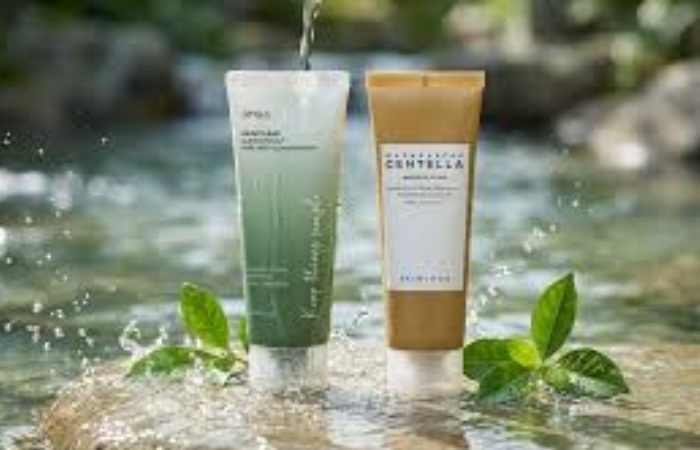
Once the oil cleanser is applied water-based cleanser sweeps away any residual water, dust and sweat. This is one of the most popular aspects of Korean skincare because of this type of double cleansing.
It is not the intention to clean the face until it squeaks. This is aimed at cleaning it in order to allow better absorption of the next products.
They can be a light gel, foam or cream cleanser and this may vary with the skin type.
Why it matters:
- Gives a truly clean base
- Removes water-based impurities
- Helps skincare products work better
3. Exfoliator: Clearing Away Dead Skin
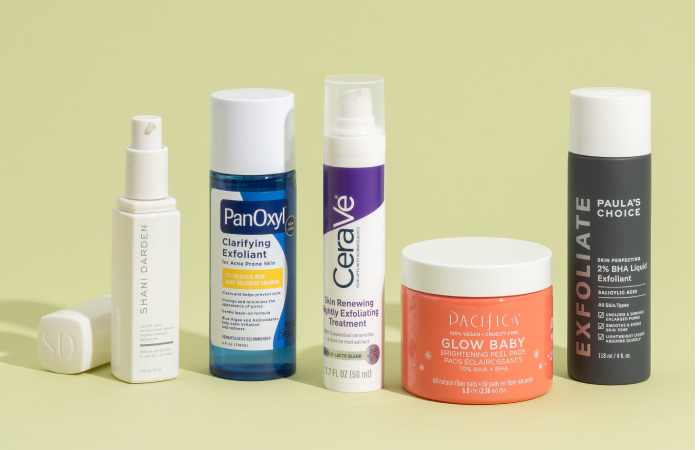
Exfoliation helps remove dead skin cells that sit on the surface and make the skin look dull or rough. In Korean skincare, exfoliation is usually done gently and not every day.
There are two main types:
- Physical exfoliators, which use small particles or tools
- Chemical exfoliators, which use mild acids like AHA, BHA, or PHA
Chemical exfoliation is often preferred because it can be gentler and more even.
Why it matters:
- Improves smoothness
- Helps unclog pores
- Makes skin look brighter
- Allows other products to absorb more easily
A few times a week is usually enough for most skin types.
4. Toner: Restoring Balance
Most individuals believe that toner is not needed, but in the Korean skincare, it is significant. An excellent toner will aid in moistening the skin immediately after the cleansing and will prepare it to the subsequent layers.
Korean toners of the modern world tend not to be rough or alcohol-laden. Rather, they tend to be calming, wet and with products that soothe and rejuvenate the skin.
Why it matters:
- Adds a first layer of hydration
- Helps skin feel comfortable
- Prepares the face for essence and serum
For dry skin, a hydrating toner can be a small but meaningful difference.
5. Essence: The Heart of Hydration
Essence is one of the signature steps in Korean skincare. It is lighter than a serum but richer than toner. Think of it as a soft, nourishing layer that supports hydration and skin renewal.
Many essences contain ingredients that help improve skin texture, glow, and elasticity over time.
Why it matters:
- Boosts moisture levels
- Supports skin repair
- Helps skin look plumper and healthier
This step is especially loved by people whose skin feels tired, dehydrated, or uneven.
6. Serum or Ampoule: Targeted Treatment
Ampoule and serums become more concentrated. They are applied in the treatment of special skin issues say in acne, pigmentation, fine lines, redness or dryness.
This is whereby the Korean skincare can be adapted immensely. You do not contain all serums in the world. The only thing you need is one that will suit you.
Common serum concerns include:
- Vitamin C for brightness
- Niacinamide for oil control and pores
- Hyaluronic acid for hydration
- Centella for calming irritated skin
- Retinol-like products for aging concerns
Why it matters:
- Targets skin issues directly
- Gives stronger results than basic hydration alone
- Helps personalize the routine
7. Sheet Mask: A Mini Spa Moment
Sheet masks are a beloved part of Korean skincare. They are soaked in serum and placed on the face for 10–20 minutes. While they are not required every day, they are a nice way to give the skin extra nourishment.
They are especially useful when your skin feels dry, stressed, or dull.
Why it matters:
- Gives quick hydration
- Feels relaxing and refreshing
- Can help skin look more rested
Use them 1–3 times a week depending on your skin’s needs.
8. Eye Cream: Gentle Care for a Delicate Area
The skin on the sides of the face is weaker and thinner than on other parts of the face. The eye cream is meant to provide light hydration and comfort to this part.
It is not going to remove all the lines and black circles overnight, but can be used to make the skin around the eyes soft and hydrated..
Why it matters:
- Supports delicate eye-area skin
- Helps reduce dryness
- Makes makeup sit more smoothly
A tiny amount is enough.
9. Moisturizer: Sealing in the Goodness
Moisturizer is a must in almost every skincare routine. After all the hydrating and treatment steps, moisturizer locks everything in and helps protect the skin barrier.
Korean moisturizers often come in gel, cream, or lotion textures, making it easy to choose one that matches your skin type.
Why it matters:
- Prevents moisture loss
- Keeps the skin barrier healthy
- Makes the skin feel soft and comfortable
Even oily skin needs moisturizer, just in a lighter texture.
10. Sunscreen: The Most Important Morning Step
Sunscreen is probably the next step that must be never taken in the morning. The importance of sun protection is high in Korean skincare since UV rays are among the most significant factors that lead to skin dullness, dark spots, age, and skin aging.
Broad spectrum sunscreen has been used to help defend the skin, and also to maintain all the work that your other products are performing.
Why it matters:
- Prevents sun damage
- Helps reduce dark spots from getting worse
- Supports long-term skin health
Apply it every morning, and reapply if you are outdoors for long periods.
AM vs PM Korean Skincare Routine
| Time | Main Goal | Typical Steps |
| Morning | Protect and prepare the skin | Cleanser, toner, essence, serum, moisturizer, sunscreen |
| Night | Cleanse and repair the skin | Oil cleanser, water cleanser, exfoliator (sometimes), toner, essence, serum, sheet mask, eye cream, moisturizer |
The morning routine is about protection. The night routine is about repair. Together, they create balance.
Korean Skincare Routine by Skin Type
| Skin Type | Best Texture Choices | Helpful Ingredients | What to Avoid |
| Oily skin | Gel cleanser, light lotion, water gel moisturizer | Niacinamide, salicylic acid, green tea | Heavy greasy products |
| Dry skin | Cream cleanser, hydrating toner, rich moisturizer | Hyaluronic acid, ceramides, glycerin | Harsh foaming cleansers |
| Sensitive skin | Fragrance-free, gentle formulas | Centella, panthenol, oat extract | Strong acids, heavy scrubbing |
| Acne-prone skin | Lightweight, non-comedogenic products | BHA, tea tree, niacinamide | Thick pore-clogging layers |
| Combination skin | Balanced gel-cream textures | Snail mucin, niacinamide, aloe | Over-drying products |
Choosing products based on skin type is more important than following a long routine blindly.
A Simple Korean Skincare Routine for Beginners
You do not need ten products on day one. A beginner can start with a simple routine and build slowly.
Morning
- Gentle cleanser
- Toner
- Moisturizer
- Sunscreen
Night
- Oil cleanser
- Water-based cleanser
- Toner
- Serum
- Moisturizer
This routine is easy to follow and already gives a solid foundation. Once your skin adjusts, you can add essence, eye cream, or sheet masks.
Common Mistakes to Avoid
Many people give up on skincare because they use too much too soon. Korean skincare works best when it is gentle and consistent.
Here are a few mistakes to avoid:
- Using too many active ingredients at once
- Skipping sunscreen
- Over-exfoliating
- Changing products too frequently
- Applying products too aggressively
- Copying someone else’s routine without considering your own skin
Skincare should fit your face, not someone else’s trend.
Benefits of Following a Korean Skincare Routine
With regular use, this routine can bring several benefits over time:
- Softer and smoother skin
- Better hydration
- More even-looking texture
- A healthier skin barrier
- Less dryness and tightness
- A natural glow
- Better makeup application
- More awareness of your skin’s needs
The biggest benefit is not instant perfection. It is long-term skin health.
Final Thoughts
Korean skincare routine is not merely a skincare trend. It is a thoughtful approach to the skin taking the time to care for it, hydrate it, and be regular. Everything has a point and this is cleansing and balancing down to treating and protecting. This routine can be used to make the skin appear calmer, fresher and brighter when it is followed properly.
The true pleasure about Korean skincare is the soft philosophy. It does not strain the skin too much. Rather than keeping the skin in a bad state, it helps the skin to do what it desires to do; remain healthy, soft, and balanced.