
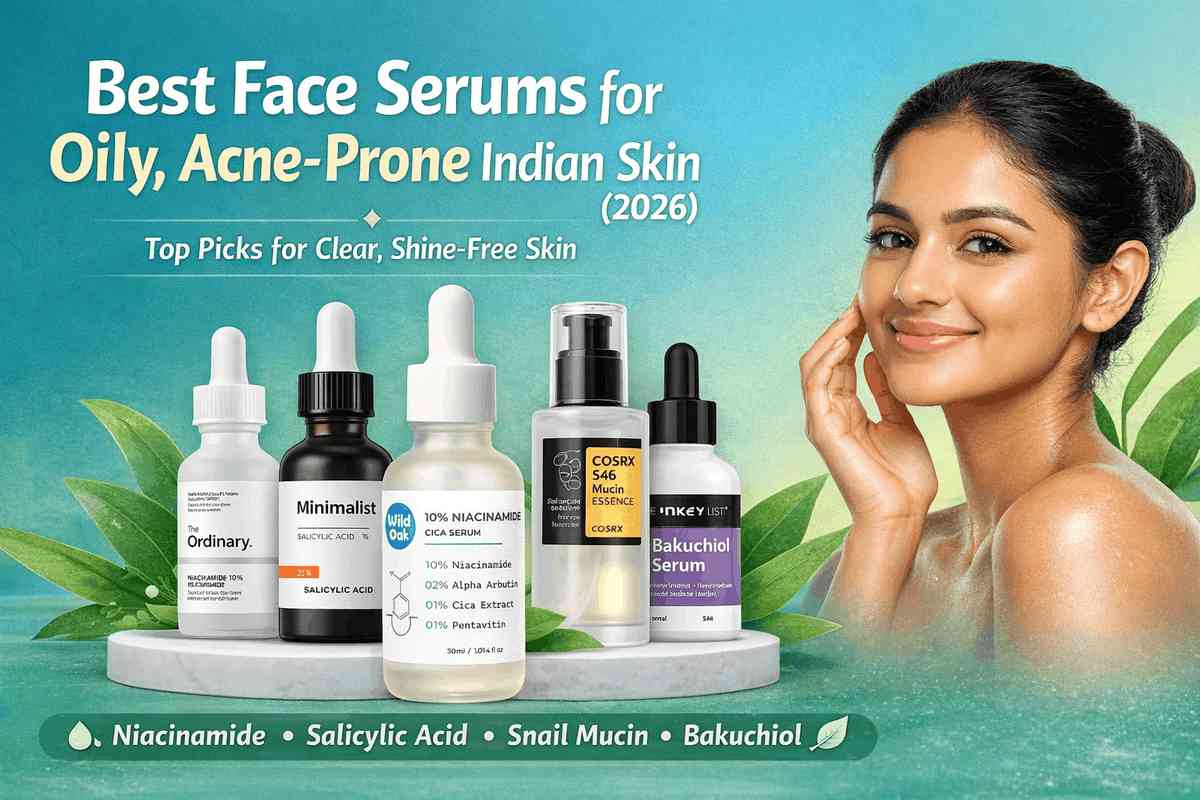
The effects of acne can disappear, but their scars can remain a lot longer. The acne scars, however, are not only a skin issue to most individuals; they may influence confidence, choice of makeup, even the feelings that someone would feel when he or she looks into the mirror. It is good news to note that the correct serum can be seen to make a difference in the long run.
An acne scar serum typically refers to a light-weight, skincare product developed on the basis of highly focused active ingredients combined with ingredients that aid in fading dark spots, enhancing skin conditions, reducing inflammation, and assisting skin renewal. Though a scar cannot be removed in a couple of hours by the help of a serum, the appropriate formula can really make post-acne spots, coarseness, and color uneven when the formula is used regularly.
Table of Contents
What Are Acne Scars?
Acne scars will describe the remnants that will remain on the skin following the healing of acne. All these marks are not necessarily true scars they can exist in various forms. Some of them are the flat discoloration, others permanently changed their texture.
The most common types are:
| Type of Acne Mark | What It Looks Like | Common Cause |
| Post-inflammatory hyperpigmentation | Brown, black, or dark spots | Skin healing after inflammation |
| Post-inflammatory erythema | Red or pink marks | Broken capillaries and inflammation |
| Atrophic scars | Dents or pits in the skin | Loss of collagen |
| Hypertrophic scars | Raised scars | Extra collagen during healing |
Most serums work best on flat marks like dark spots and redness. Deeper dents usually need stronger treatments such as microneedling, laser, or dermatologist-guided procedures.
How Serums Help Acne Scars
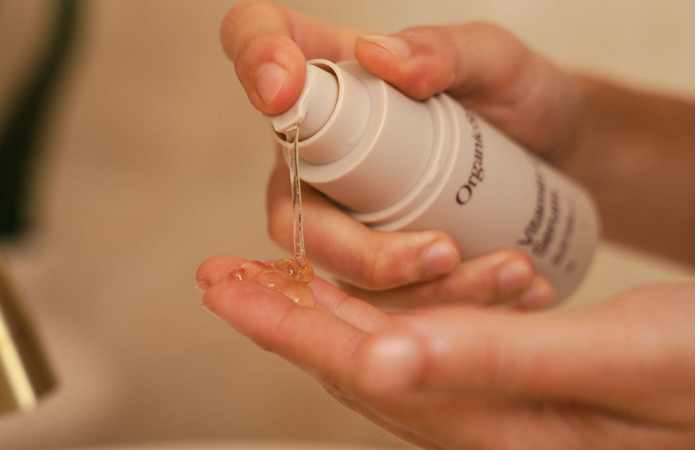
Serums are meant to get the active ingredients deep and to the skin. They are not thick and absorb easily as compared to other creams. That is why they are usable on acne- and scar-affected skin, and that is usually not accommodating to heavy products. American Academy of Dermatology
A good serum may be used in a number of ways:
- Fade leftover dark spots
- Reduce redness after breakouts
- Smooth rough texture
- Support skin cell turnover
- Strengthen the skin barrier
- Prevent new acne from causing more marks
The key is choosing the right ingredient for the right problem.
Best Serum Ingredients for Acne Scars

Not every serum works the same way. Some are better for pigmentation, while others help with redness or overall repair. Below is a comparison of the most useful ingredients.
| Ingredient | Best For | How It Helps | Skin Type Suitability |
| Vitamin C | Dark spots, dull skin | Brightens skin and supports collagen | Normal, oily, combination |
| Niacinamide | Redness, uneven tone, oil control | Calms skin, strengthens barrier, reduces discoloration | All skin types |
| Alpha Arbutin | Pigmentation and marks | Helps reduce excess melanin | Sensitive, normal, oily |
| Azelaic Acid | Red marks, acne, pigmentation | Calms inflammation and gently fades marks | Acne-prone, sensitive |
| Retinol | Texture, post-acne marks, fine lines | Speeds up cell turnover | Normal, oily, mature skin |
| Tranexamic Acid | Stubborn dark spots | Helps reduce excess pigmentation | Sensitive, combination |
| Salicylic Acid | Active acne and clogged pores | Clears pores, prevents new breakouts | Oily, acne-prone |
| Hyaluronic Acid | Dry, damaged skin | Hydrates and supports healing | Dry, sensitive, combination |
If your skin is irritated easily, ingredients like niacinamide, azelaic acid, and alpha arbutin are often gentler starting points. If your main issue is stubborn dark marks, vitamin C or tranexamic acid may be more effective.
Comparison Table: Best Serum Types for Acne Scars
Here is a practical comparison to help you understand which serum type may suit your needs best.
| Serum Type | Main Benefit | Time to See Results | Pros | Cons | Best For |
| Vitamin C serum | Brightens and fades marks | 6–12 weeks | Good for glow and pigmentation | Can irritate sensitive skin | Dull skin, dark spots |
| Niacinamide serum | Calms and balances skin | 4–8 weeks | Gentle, versatile, supports barrier | Results may be subtle at first | Oily, acne-prone skin |
| Azelaic acid serum | Redness and pigmentation | 6–10 weeks | Great for acne and marks | May sting at first | Red marks, sensitive skin |
| Alpha arbutin serum | Fades dark spots | 6–12 weeks | Gentle and effective | Works slowly | Pigmentation-prone skin |
| Retinol serum | Texture and post-acne marks | 8–16 weeks | Improves skin renewal | Can dry or irritate skin | Textured skin, older marks |
| Tranexamic acid serum | Stubborn discoloration | 8–12 weeks | Good for uneven tone | Often needs regular use | Persistent dark spots |
This table shows an important truth: the “best” serum depends on the scar type, not just the brand name.
Which Serum Is Best for Your Skin?
The best serum for acne scars is the one that matches your skin concern.
For dark acne marks
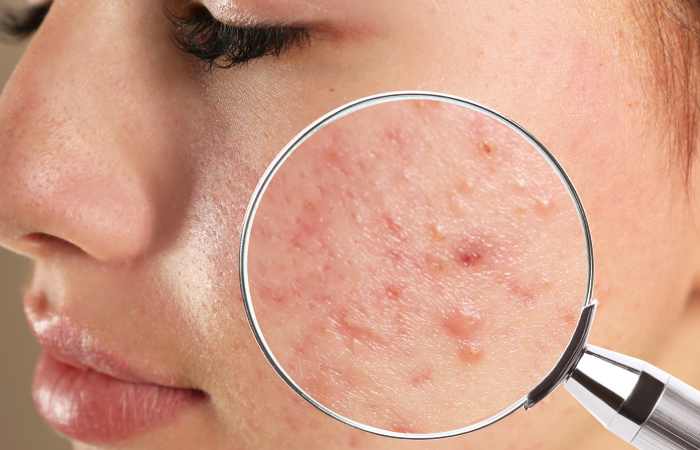
Vitamin C serum, alpha arbutin serum, or trans-nexa-cid acid serum may be used to eliminate pigmentation with time. These are handy in cases when the skin is healed and yet appears lumpy.
For red acne marks
Azelaic acid and niacinamide are usually the best as they both calm the inflammation and reduce the marks.
For active acne plus scars
Salicylic acid may be used in the prevention of new breakouts, and niacinamide or azelaic acid may be helpful in the healing process. The combination helps when continuing the development of scars due to the ongoing acne.
For rough texture
Retinol is usually prescribed in order to improve the skin texture since it stimulates the skin turnover. It must be used with precaution particularly on sensitive skin.
For sensitive skin
Niacinamide, alpha arbutin and azelaic acid tend to be better taken versus the strong exfoliants or retinol in intense strengths.
How to Use a Serum for Acne Scars
As much as it is important to have an appropriate serum, it is equally important to use one properly. Excessive use or incorrect layering of the product may result into irritation rather than the instinct of the skin.
The basic routine has the appearance of:
1. Wash your face using a fine face wash.
2. Apply serum on clean, dry skin.
3. Apply a very little, rarely 24 drops.
4. Use a moisturizer to seal in moisture.
5. Always put the sun screen in the morning.
Sunscreen can be noted especially. Acne marks are even darker and more protracted without the use of a sunscreen. The highest of the serums will not perform the duty perfectly unless the skin is shielded against UV.
Best Serum Ingredients by Skin Concern
| Skin Concern | Recommended Ingredient | Why It Works |
| Brown acne spots | Vitamin C, alpha arbutin, tranexamic acid | Helps reduce pigmentation |
| Red acne marks | Azelaic acid, niacinamide | Calms inflammation and redness |
| Acne and scars together | Salicylic acid, niacinamide | Treats breakouts and prevents new marks |
| Rough texture | Retinol, azelaic acid | Supports renewal and smoother skin |
| Sensitive skin | Niacinamide, alpha arbutin | Gentle and supportive |
| Dry skin with marks | Hyaluronic acid, vitamin C | Hydrates while brightening |
Things to Look for in a Good Serum
To settle on the most favourable serum to use in acne scarring, the ingredients list must be carefully read. An effective product must not be too harsh.
Look for these qualities:
- Non-comedogenic formula
- Fragrance free or light fragrance.
- Berlin-tested, preferably by the dermatologist.
- Suitable for your skin type
- Supported by active components that are well proven.
- Air-weight, acne skin texture.
Shun those products which claim to remove the scar immediately. Actual progress is slow, and accurate formulae tend to be based on incremental and not revolutionary changes..
Ingredients to Be Careful With
Some serums can help, but only if used properly. Others may irritate acne-prone skin.
| Ingredient | Caution |
| High-strength retinol | May cause dryness, peeling, and sensitivity |
| Strong acids used too often | Can damage the skin barrier |
| Alcohol-heavy formulas | May worsen irritation |
| Artificial fragrance | Can trigger sensitivity in some users |
| Too many actives at once | May lead to redness and breakouts |
If your skin is already inflamed, less is usually more. A gentle routine often works better than an aggressive one.
Simple Routine for Acne Scars
A balanced routine can support serum results and reduce new marks.
Morning routine
- Gentle cleanser
- Niacinamide or vitamin C serum
- Moisturizer
- Broad-spectrum sunscreen
Night routine
- Gentle cleanser
- Azelaic acid, retinol, or alpha arbutin serum
- Moisturizer
If your skin is sensitive, do not start every active ingredient at the same time. Add one product slowly and give it a few weeks before deciding if it suits your skin.
How Long Does It Take to See Results?
This is one of the most common questions, and the honest answer is: not immediately.
Most serums need at least 4 to 8 weeks before visible improvement begins. For deeper pigmentation or long-standing marks, results may take 3 months or longer. Consistency matters more than frequency. A serum used regularly and correctly will usually do more than a stronger product used randomly.
The timing also depends on:
- How old are the acne marks
- Whether the acne is still active
- Your skin type
- Sun exposure
- How well your skincare routine supports healing
Best Serum for Acne Scars by Goal
| Your Main Goal | Best Ingredient Choice |
| Fade dark marks | Vitamin C, alpha arbutin, tranexamic acid |
| Calm redness | Niacinamide, azelaic acid |
| Prevent new acne scars | Salicylic acid, niacinamide |
| Improve texture | Retinol |
| Keep skin hydrated and healthy | Hyaluronic acid |
This kind of goal-based selection makes it much easier to buy the right product instead of guessing.
Final Thoughts
The most expensive serum does not necessarily provide the best results as far as acne scars are concerned. And it is the one that suits your skin-saving issue, your skin type, and lifestyle. In the case of dark spots, such ingredients as vitamin C, alpha arbutin, and tranexamic acid may work. Niacinamide and azelaic acid can be preferable in the case of redness and sensitivity. To maintain an appearance of texture and more apparent renewal, retinol may be used diligently.