
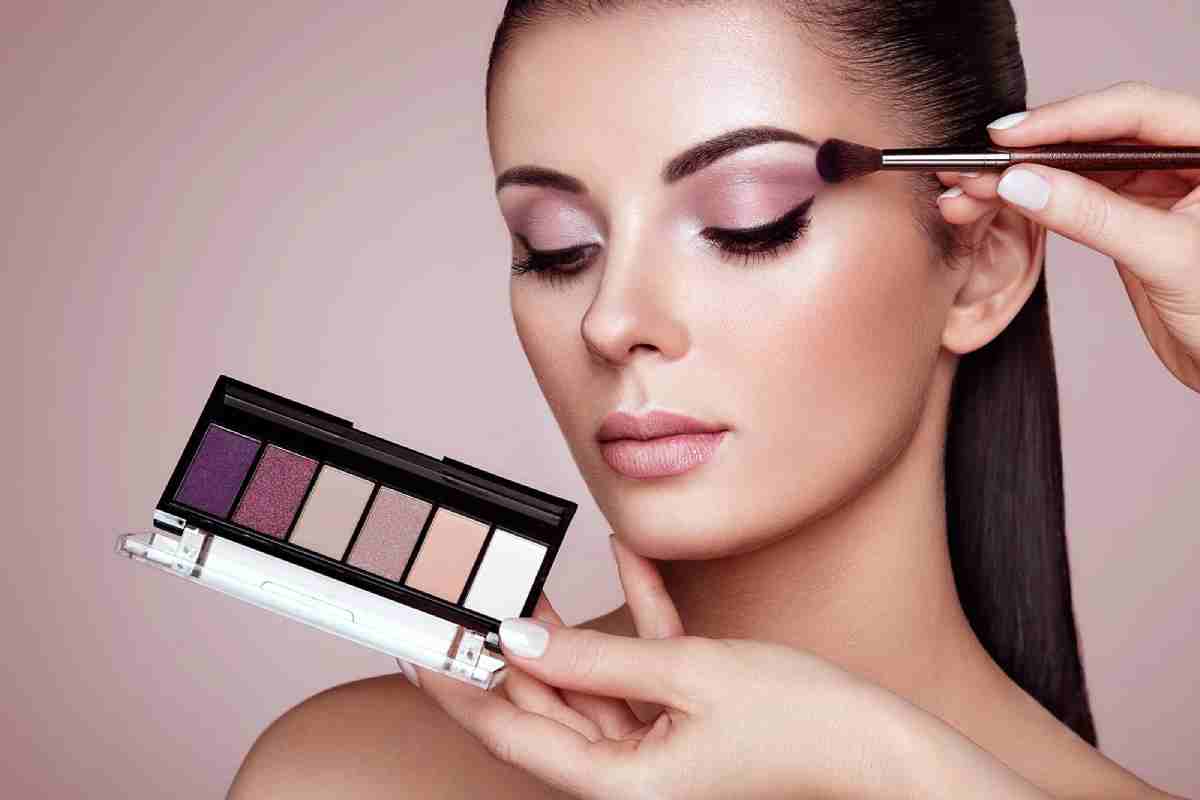
Makeup can be an exhilarating, overwhelming and even a bit frightening experience when you are in your infancy. The obtainability of products, tools, techniques, and tutorials is so immense that one may be confused on where to start. On the positive side, there is no need to make a makeup complicated. Even without starting with fancy materials, minimal items, and some experience, anybody can be taught how to produce clean, polished appearance.
Table of Contents
What Is Makeup?
Makeup is the utilization of cosmetic materials to amplify, define, or transform the facial look. It can be used to even the skin complexion, emphasize the features, make the eyes look brighter and give it a more polished appearance. A lot of people consider makeup to be a way of self-expression and a creative thing as well.
In the case of beginners, it is not perfection. The aim is to develop the fundamentals and know how merchandise operates and create an order that seems natural and effortless to follow.
Why Beginners Should Start Simple
As individuals begin to use makeup, they tend to invest excessively in new products at once. That is normally the cause of confusion and money squandering. Ease of routine works better as it is easier to comprehend.:
- What suits your skin
- Which textures do you like
- How much product to use
- How do different steps change the final result
A beginner-friendly routine should focus on skin prep, base makeup, color, and finishing touches. You do not need a full professional kit. You just need a few reliable products and a little practice.
Basic Makeup Kit for Beginners
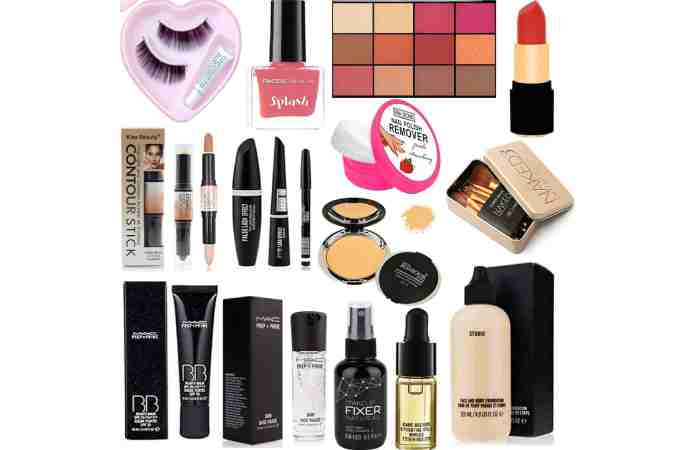
Before learning the steps, it helps to know what to keep in your starter kit.
| Product | Purpose | Beginner Tip |
| Cleanser and moisturizer | Prepares the skin | Always start with clean, hydrated skin |
| Sunscreen | Protects the skin | Use every day before makeup |
| Primer | Helps makeup last longer | Optional, but useful for oily skin |
| Foundation or BB cream | Even skin tone | Choose a shade close to your neck |
| Concealer | Covers spots and dark circles | Use only where needed |
| Compact powder | Sets the base | Helps reduce shine |
| Blush | Adds color to cheeks | Start with a light hand |
| Eyebrow pencil | Shapes brows | Use short, natural strokes |
| Eyeliner | Defines the eyes | Pencil is easier for beginners |
| Mascara | Makes lashes appear fuller | One to two coats are enough |
| Lip balm or lipstick | Finishes the look | Choose soft shades at first |
Comparison Table: Makeup Products for Beginners
| Product Type | Best For | Difficulty Level | Everyday Use |
| BB cream | Light coverage and natural look | Easy | Yes |
| Foundation | Medium to full coverage | Medium | Yes |
| Concealer | Targeted spot coverage | Easy | Yes |
| Compact powder | Oil control and setting makeup | Easy | Yes |
| Cream blush | Dewy, fresh finish | Medium | Yes |
| Powder blush | Soft matte finish | Easy | Yes |
| Pencil eyeliner | Simple eye definition | Easy | Yes |
| Liquid eyeliner | Sharp, bold lines | Hard | Sometimes |
| Mascara | Open and define eyes | Easy | Yes |
| Lip gloss | Soft and shiny lips | Easy | Yes |
| Matte lipstick | Strong color payoff | Medium | Yes |
Makeup for Beginners: Step by Step
1. Start with Clean Skin
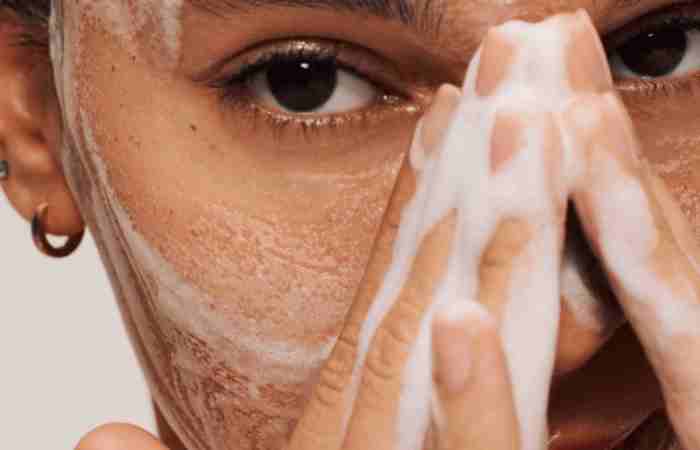
The most important step in any makeup routine is skin preparation. Makeup looks much better when the skin is clean and moisturized.
Wash your face with a gentle cleanser, then apply moisturizer. If it is daytime, always add sunscreen after moisturizer. This helps protect your skin and creates a smoother base for makeup.
Why this step matters
- prevents makeup from clinging to dry patches
- helps foundation blend more smoothly
- improves the overall finish
If your skin is very dry, choose a richer moisturizer. If your skin is oily, use a lightweight, non-greasy formula.
2. Apply Primer if Needed
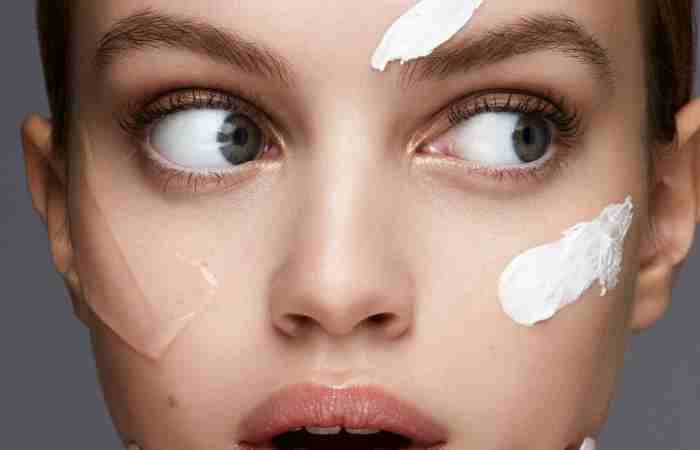
Primer is not mandatory, but it can be helpful. It creates a smoother surface and can make makeup last longer.
There are different types of primers:
| Primer Type | Best For |
| Hydrating primer | Dry skin |
| Mattifying primer | Oily skin |
| Pore-blurring primer | Visible pores |
| Illuminating primer | Dull skin |
Apply only a small amount, usually to the center of the face or areas where makeup fades quickly.
3. Apply Foundation or BB Cream
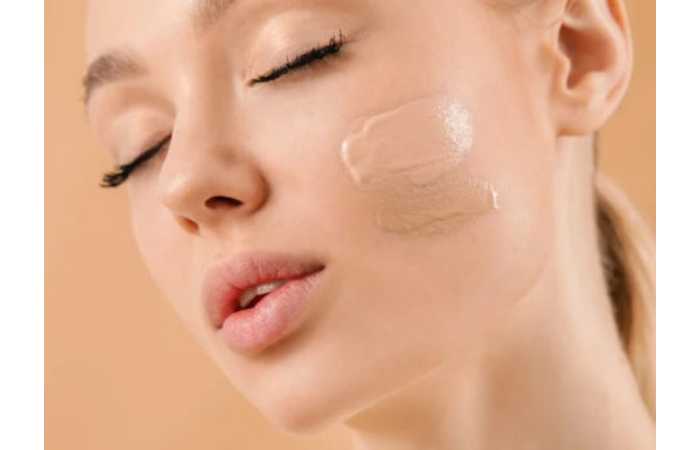
Foundation is used to even out the skin tone. BB cream is lighter and more natural-looking, so many beginners prefer it first.
Use a small amount and blend well with a sponge, brush, or fingers. Start from the center of the face and move outward. The goal is to make the skin look even, not heavy.
Foundation tips for beginners
- Choose a shade that matches your jawline
- test in natural light
- use thin layers
- blend into the neck for a natural finish
If you are unsure, BB cream is a safer first choice because it is easier to apply and less likely to look cakey.
4. Use Concealer on Specific Areas
Concealer helps cover dark circles, blemishes, redness, and small imperfections. It should be used only where needed.
Apply a small amount:
- under the eyes
- around the nose
- on dark spots or acne marks
Blend gently with a sponge or fingertip. Do not apply too much, because thick concealer can crease under the eyes.
| Area | How to Use Concealer |
| Under eyes | Brighten and hide darkness |
| Around nose | Reduce redness |
| On blemishes | Spot cover only |
| Around mouth | Even out discoloration |
5. Set Everything with Powder
Powder helps keep makeup in place and reduces shine. This step is especially helpful for oily skin.
Use a light layer of compact powder or loose powder on areas where the face gets shiny, such as the forehead, nose, and chin.
Beginner tip
Do not powder too much. A little is enough. Too much powder can make the skin look dry or heavy.
6. Add Blush for a Healthy Glow
Blush brings life to the face. Without it, makeup can sometimes look flat. A small amount of blush on the cheeks gives a fresh and youthful appearance.
Choose shades like:
- soft pink
- peach
- rose
- warm coral
Smile slightly and apply blush to the apples of the cheeks, then blend upward toward the temples.
| Blush Shade | Skin Tone Match | Finish |
| Soft pink | Fair to medium skin | Natural and fresh |
| Peach | Warm undertones | Soft and youthful |
| Rose | All skin tones | Elegant and balanced |
| Coral | Medium to deep skin | Bright and lively |
7. Shape Your Eyebrows
Eyebrows frame the face, so even a little eyebrow makeup can make a big difference. For beginners, use an eyebrow pencil or brow powder in a shade close to your natural brow color.
Fill in gaps using short, light strokes that look like real hair. Avoid drawing a harsh block shape.
Brow shaping tips
- Follow your natural brow shape
- Do not overfill
- Blend with a spoolie brush
- Keep the inner brow softer than the tail
Natural eyebrows often look better than very sharp, heavy brows for everyday makeup.
8. Define the Eyes with Eyeliner
Eyeliner can make the eyes look more defined and awake. For beginners, a pencil eyeliner is usually the easiest to use.
Apply it gently along the upper lash line. If you want a softer look, smudge it slightly with a small brush or cotton tip.
| Eyeliner Type | Beginner Friendliness | Look |
| Pencil eyeliner | Very easy | Soft and natural |
| Gel eyeliner | Medium | Smooth and bold |
| Liquid eyeliner | Hard | Sharp and dramatic |
| Kajal | Easy | Deep and defined |
Start with a thin line. You can always add more later.
9. Apply Mascara
Mascara makes the eyelashes look longer, darker, and fuller. It is one of the easiest products to use and one of the most noticeable.
Hold the wand at the base of the lashes and move it upward in a gentle zigzag motion. This helps separate the lashes and prevents clumps.
Mascara tips
- curl lashes first if you want extra lift
- use one or two coats only
- remove excess product from the wand before applying
- apply to both top and bottom lashes if desired
Mascara can make a big difference even when you skip other eye makeup.
10. Finish with Lip Color
Lip makeup completes the look. Beginners often feel more comfortable starting with lip balm, tinted balm, gloss, or a soft lipstick.
Here are some easy options:
| Lip Product | Look | Best For |
| Lip balm | Natural and simple | Daily use |
| Tinted balm | Soft color | Fresh beginner look |
| Lip gloss | Shiny and youthful | Casual wear |
| Cream lipstick | Smooth and comfortable | Everyday glam |
| Matte lipstick | Bold and long-lasting | Special occasions |
Choose shades that feel easy to wear, such as nude pink, rose, peach, or soft brown.
Easy Makeup Routine for Daily Wear
If you want a quick beginner routine, use this simple order:
| Step | Product |
| 1 | Cleanser |
| 2 | Moisturizer |
| 3 | Sunscreen |
| 4 | BB cream or foundation |
| 5 | Concealer |
| 6 | Powder |
| 7 | Blush |
| 8 | Eyebrow pencil |
| 9 | Mascara |
| 10 | Lip balm or lipstick |
This routine is enough for a polished everyday look without feeling overwhelming.
Common Makeup Mistakes Beginners Make
Everyone makes mistakes at the beginning. That is part of learning. Still, knowing the common ones can save time and frustration.
| Mistake | Why It Happens | Better Approach |
| Using the wrong foundation shade | Not testing properly | Check in natural light |
| Applying too much product | Trying to cover everything | Build in thin layers |
| Skipping skin prep | Wanting faster results | Always moisturize first |
| Heavy powder use | Fear of shine | Use only where needed |
| Harsh brows | Drawing too strongly | Use soft strokes |
| Thick eyeliner | Difficulty controlling the hand | Start with thin lines |
| Clumpy mascara | Too many layers | Wipe extra product first |
The more you practice, the easier these steps become.
Makeup Tools Every Beginner Should Know
You do not need many tools, but a few good ones help a lot.
| Tool | Use |
| Makeup sponge | Blending foundation and concealer |
| Foundation brush | Smooth, even application |
| Powder brush | Light powder application |
| Blush brush | Soft cheek color |
| Brow spoolie | Brushing and blending brows |
| Eyelash curler | Lifts lashes before mascara |
A damp sponge often gives the most natural finish for beginners.
How to Choose the Right Products
Choosing makeup is easier when you focus on your skin type and comfort level.
Oily skin
- Use matte or oil-free products
- Choose long-wear foundation
- set with powder
Dry skin
- use hydrating moisturizer and primer
- Choose dewy or creamy formulas
- Avoid too much powder
Combination skin
- Use a balanced foundation
- powder only on oily areas
- mix matte and hydrating products carefully
Sensitive skin
- Look for fragrance-free products
- patch test new items
- Choose gentle formulas
Makeup Styles Beginners Can Try
You do not need to do dramatic makeup right away. Start with simple looks and build from there.
| Style | Description | Best For |
| No-makeup makeup | Very natural and fresh | Daily wear |
| Soft glam | More polished but still light | Parties or outings |
| Fresh dewy look | Glowy and youthful | Daytime |
| Matte basic look | Smooth and clean finish | Office or college |
Starting with a no-makeup makeup look is often the easiest path for beginners.
Final Thoughts
The company of learning how to do makeup as a beginner is actually a matter of patience, practice and simplicity. A beautiful look is not achieved by a big collection, not by skill, but by sheer effervescence. Minimal coverage, a clean base, soft blush, natural brows, mascara, and a soft lip color will already make a marvelous difference.